Archive for the The Scintilliant Category

The Song of the Sword Mothers

Posted in Gildensong, Siluvaria, The Scintilliant, The Swords of Creation on October 1, 2026 by coyoteandthunder

The Kingdoms and Ages of Siluvaria

The history of Siluvaria is measured in kingdoms lost, gods divided, and the three great catastrophes by which the shape of the modern world was made. In Old Anontyr, some seven and a half millennia ago, when Bahamut and Tiamat were yet joined in love, the six Swords of Creation were forged amid the wars of the Cathidic Blight. That first age perished in the Sundering, about 4000 DR, when the divine wyrms were divided and the world passed into the age of Ethilistyr, the Dream Water. There Bahamut and Tiamat made war, the first Scintilliant spread across Siluvaria, and the six women remembered as the Anum Batai, the Sword Mothers, came at last to Highspire. Ethylistyr ended in the Rending, around 2000 DR, with the death of Tiamat and the ruin of the old order. Thereafter arose the soaring elven kingdoms of Orsolon, the flying cities and the great Mythals, in the high Age of the Scintilliant. That age in turn passed away with the First Rime of the Frostmaiden, at the beginning of Dale Reckoning, 1,510 years ago.

What follows is called The Song of the Sword Mothers, composed by Verenestra, archfey of the court of Lady Vivianna of Gildensong. Tradition holds that Verenestra wrote the verses upon dried leaves in an ink of wine, soot, and her own blood, and made only three copies: one for the Lady of the Valley, one for the Bladesong Knight Loralin Galdirion, and one for Lady Glasshair of Rainmark.
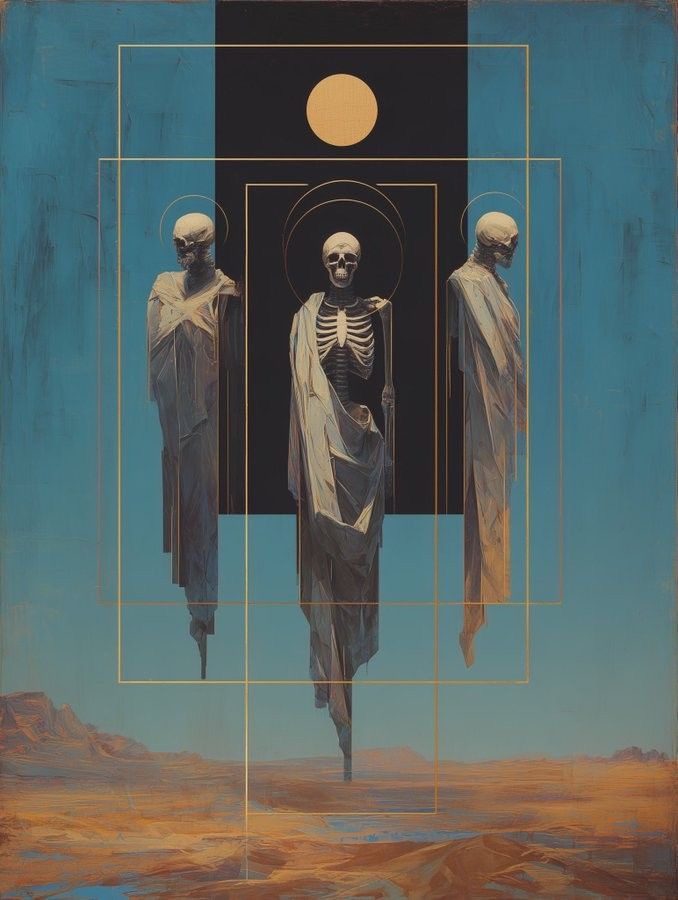
THE SONG OF THE SWORD MOTHERS

As written upon the Autumn Leaves by Verenestra

Six Mothers came beneath the starry glow,
The Anum Batai, summoned by Mystra’s word,
Five thousand five hundred years ago.

Yet older were the Blades beneath their hand,
For twice a thousand years before their choosing
They had been wrought in lost Anontyr’s land.

There love had kindled in the elder light,
When Bahamut lay beside Tiamat,
And Glory had not yet been sundered from the night.

Six swords they wrought while yet the gods were one,
Three born for Glory and three born for Doom,
Before the marriage of the wyrms was done.

Then Volukai dreamed beneath the poisoned deep,
And through the earth the Cathidic Blight awakened,
Like blackened roots arising out of sleep.

And hatred entered where love once had lain,
Till Bahamut and Tiamat took their names apart,
And heaven learned the ancient taste of pain.
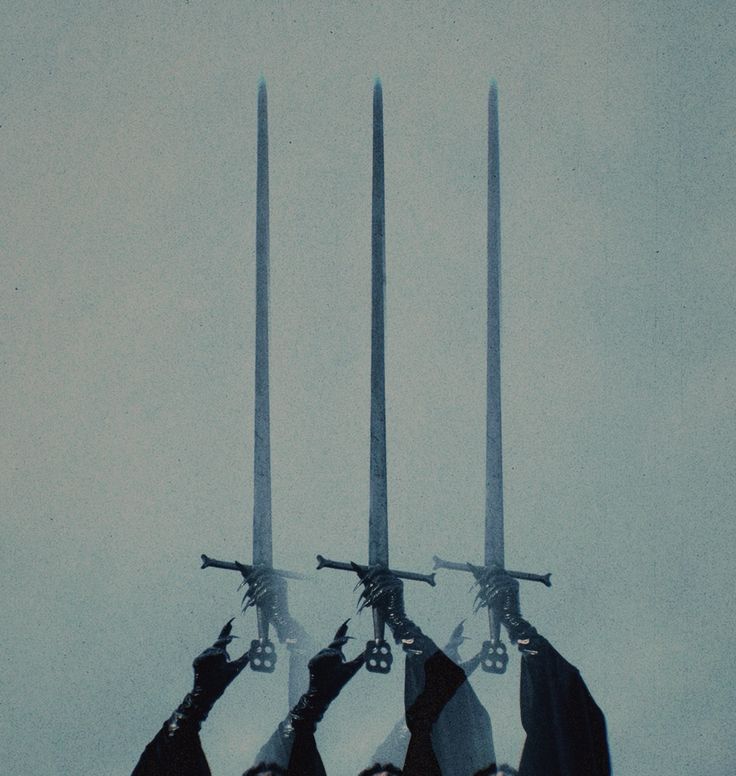
Thus came the Sundering beneath a wounded sky,
The first of three great wounds that shaped the ages,
When love divided and the stars learned how to die.

Yet Mystra gathered what the gods had wrought,
Lest six unmastered swords unmake the Weave,
And bound their fury unto mortal thought.

For steel alone remembers neither breath,
Nor pity, grief, nor consequence of choosing,
And power without a heart is kin to death.

Therefore she sought six keepers for each blade,
Six living tethers fastened to the world,
That mortal hands might govern what gods had made.

Before the Seven Daughters came to fame,
There were the Six, the Mothers of the Swords,
And every blade was wedded to a name.

Three were given unto shining Glory,
And three unto the darker house of Doom,
And thus divided stood the ancient story.

Yet neither good nor evil dwelt alone,
For every sword remembered its first forging,
When dragon love had made all six as one.

Through Ethylistyr the Mothers kept their ward,
While Dream Water shimmered beneath the moons,
And mortal hands grew accustomed to the sword.

Then from the swords arose the Mythal fire,
As elves first learned to weave the land with magic
And lift their hidden cities ever higher.

The Cathidic Blight withdrew from root and stone,
And Volukai passed eastward into darkness,
While green returned to countries overgrown.

In those years the young Scintilliant took wing,
Beyond the ancient bounds of Ethylistyr,
And elves first dreamed of Orsolon’s coming spring.

Then concord flowered for a little while,
And all six Mothers journeyed north together,
Through forest deep and many a starlit mile.

At Alenthia Feiren they made their spire,
The house that later tongues would call Highspire,
Where sixfold magic burned like sleepless fire.

Long ere the Rending, there the temple stood,
Raised unto Mystra and the living Weave,
White above mountain, river, field, and wood.
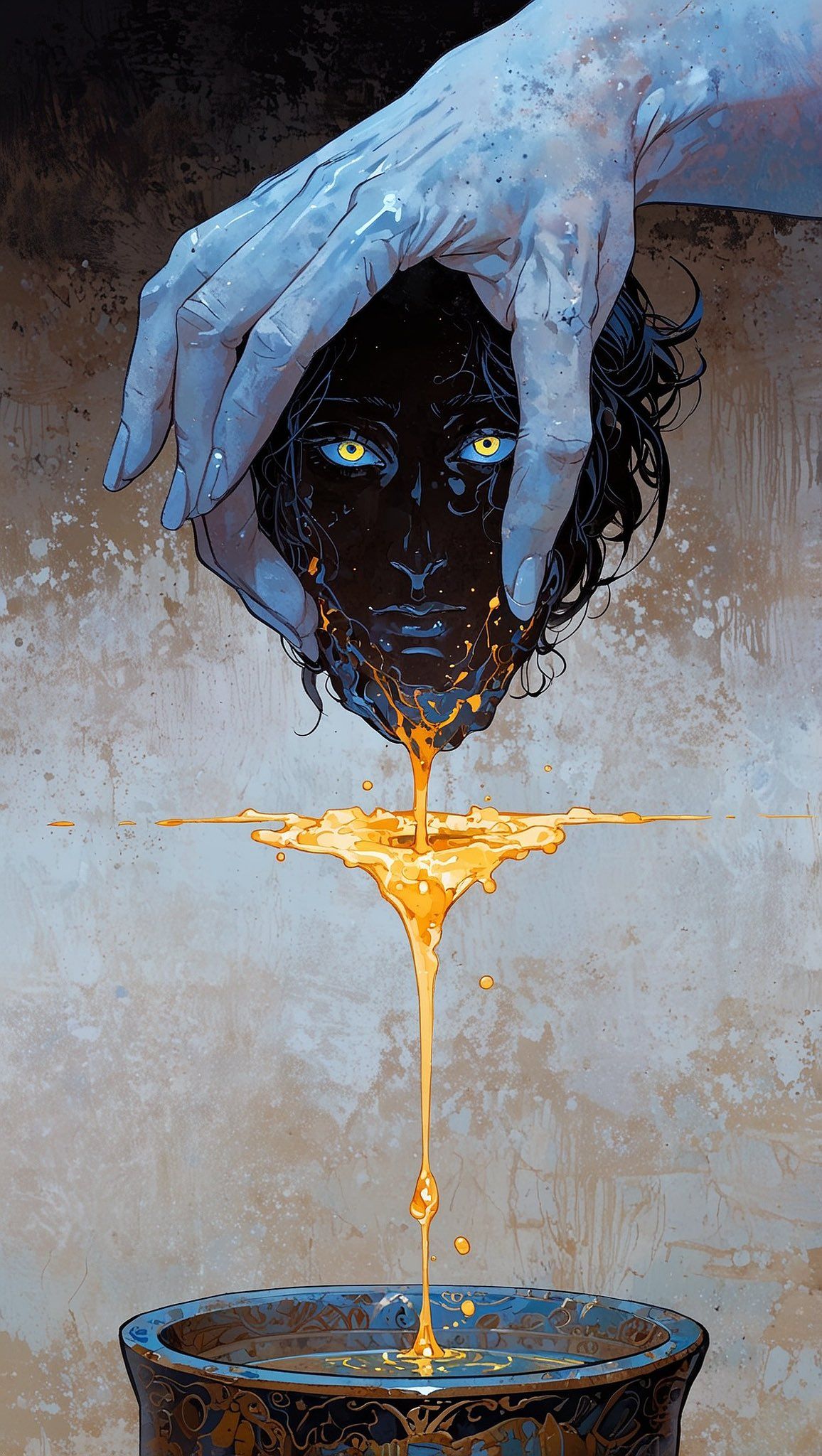
There every Sword of Creation found its rest,
And all six Mothers dwelt beneath one roof,
Each blade made still against its keeper’s breast.

Even dragons came beneath that sacred stone,
Ghinaetria and Angmehridon together,
When copper and green had not yet warlike grown.

First among the Mothers stood Sciabelle the bright,
Priestess of Corellon, keeper of the Emerald,
Thalorien gleaming with green and deathless light.

Then came the Sisters, three who walked with Doom,
Acertiana bearing cold Rendgray,
Whose shadow made the brightest chamber gloom.

Thayertiala bore Rendlereign the Pale,
Whose edge could sever sovereignty from kings,
And make the mightiest covenant grow frail.

Aetheiatala bore Rendpyre’s crimson flame,
The blade that makes immortal blood remember
That even deathless things may lose their name.

And Mystra trusted these three hearts to hold,
The darkness sleeping in the Swords of Doom,
For mortal love seemed stronger then than gold.

But high above, the stars began to bleed,
For Tiamat’s wrath had entered all creation,
And hatred ripened from an ancient seed.

Then came Kanre Charrir, dragonborn and white,
The sole non-elven Mother of the Six,
Who bore Aeltharion like a star of light.

The Ivory Blade was given to her line,
And blood remembers what the years have buried,
For oath and sword remain by old design.

But Vaelorin, the Crimson, went to one called fair,
An elven-seeming Mother named Emoria,
With midnight eyes and softly silvered hair.

Yet Emoria was a woven lie,
For underneath that borrowed face was Iggwilv,
Mother of witches, hidden from Mystra’s eye.

Thus poison entered quietly through the door,
Not borne by armies, dragonfire, or darkness,
But by one smiling woman on the temple floor.

She whispered where the Mothers came to pray,
And turned the hearts of Glory against Doom,
Until old fellowship began to rot away.
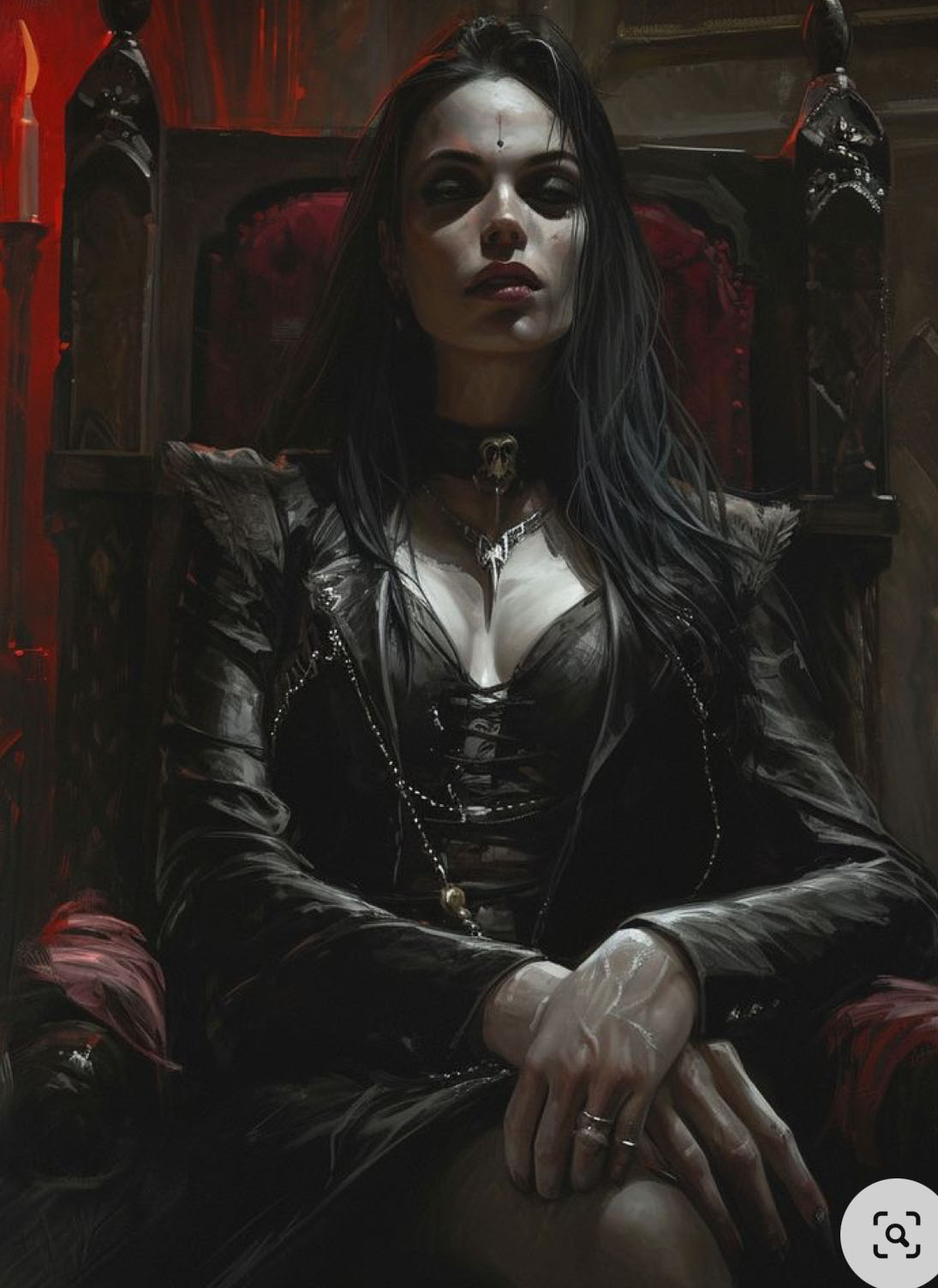
As sun and moon divided in the height,
So Glory looked on Doom with growing loathing,
And Doom mistrusted every child of light.

Beyond Highspire the Scintilliant spread wide,
Their kingdoms rooting beneath Orsolon’s shadow,
While mortal nations gathered at their side.

And Tiamat claimed the breathing earth,
While Bahamut withdrew unto the heavens,
And every quarrel found a darker birth.

For centuries the Anum Batai knew no peace,
The hidden splinter driven ever deeper,
Until even memory begged the wound to cease.

Then came the eve appointed unto fate,
Three thousand five hundred years before this singing,
When Doom’s three Mothers gathered at the gate.

There Acertiana and her Sisters swore the Kai,
The dreadful Vow of Immortnish unbroken,
And bound themselves to Doom, no more to die.

For lords of Dream Water had found beneath the ground
The sleeping flesh of Tiamat herself,
Where the Queen of Dragons lay in darkness bound.

Then came Azinon, master of the streams of time,
To guard Vaelorin from the gathering treason,
Walking through years as others walk a climb.

Before the Six he tore away the guise,
And Emoria was named as Iggwilv,
The Mother of Witches naked before their eyes.
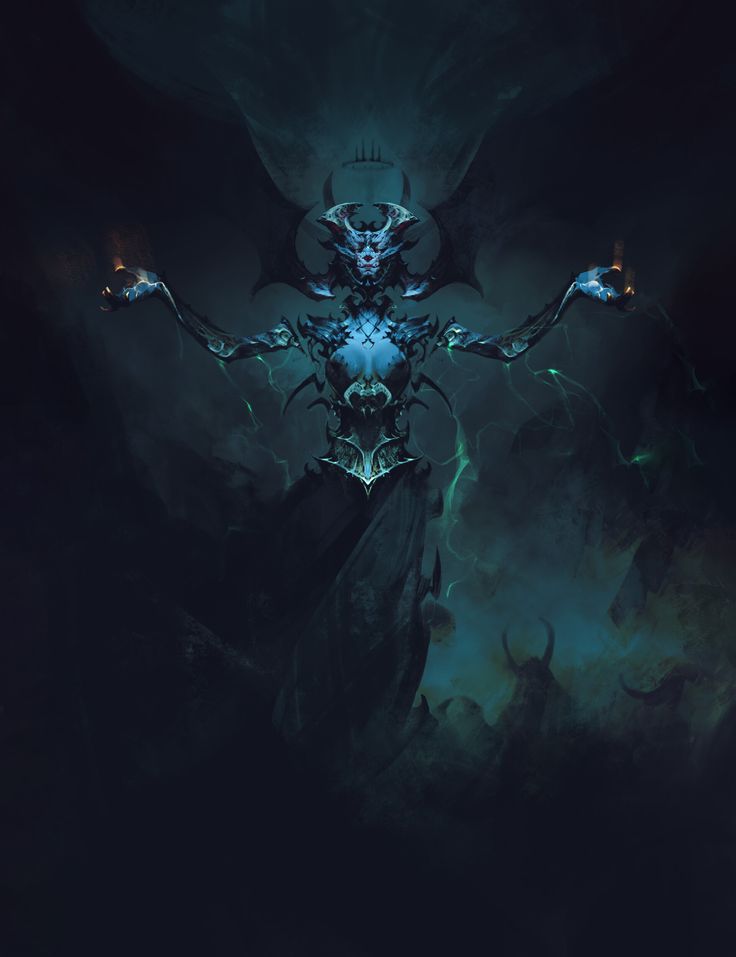
Then Sister rose against Sister beneath the dome,
And Doom drew steel on Sciabelle and Kanre,
While thunder shook the ancient mountain home.

Azinon seized the Crimson from the fight,
And bore Vaelorin down the roads of time,
Beyond the reach of Doom and mortal sight.

Far hence he gave the blade to Springfield’s hand,
That one unborn might answer ancient treason
When Doom returned again to mortal land.

But Thalorien shattered in that bitter hour,
And Sciabelle fell beneath the Swords of Doom,
Her green blood burning through the stones like flower.

Then Tiamat was stricken beneath the world’s dark wall,
And Alenthia Feiren broke upon the mountain,
When heaven answered to the Dragon Queen’s fall.

That hour men afterward named the Rending,
The second wound by which the world was measured,
And Dream Water came unto its ending.

Thereafter came the Orsolon in flight,
Their silver cities wandering above the forests,
And Mythals burning underneath the night.

For long the Swords of Doom knew hidden rest,
Scattered from Highspire and from one another,
While Orsolon’s bright cities ruled the west.

But the three Sisters had escaped the grave’s dark door,
Their Vow transformed them into deathless wraiths,
Neither women of flesh nor Mothers anymore.

Then Matildae came beneath a veiled moon,
And with her brother stole the sword Rendgray,
And Highspire learned that Doom returns too soon.

Her brother then was called Vizix the Veiled,
Though Volukai moved behind the mortal naming,
And many truths beneath that name lay sealed.

They fled aboard the haunted Kellis Ilbyrn through the gloom,
And without their swords the three lost even themselves,
Becoming wandering Mothers bound to Doom.

Rendlereign vanished where the oldest shadows reign,
In forgotten corners of Siluvaria,
And none who sought its resting place returned again.

Rendpyre fled beyond the mortal wild,
Into the shifting countries of the Fae,
Where road and year and memory are beguiled.

Thus sword and Mother share one deathless chain,
And neither wholly lives without the other,
Nor may the wraiths be slain while blades remain.

Until the three return to Highspire’s stone,
The Anum Batai wander through the ages,
Seeking what was theirs and theirs alone.
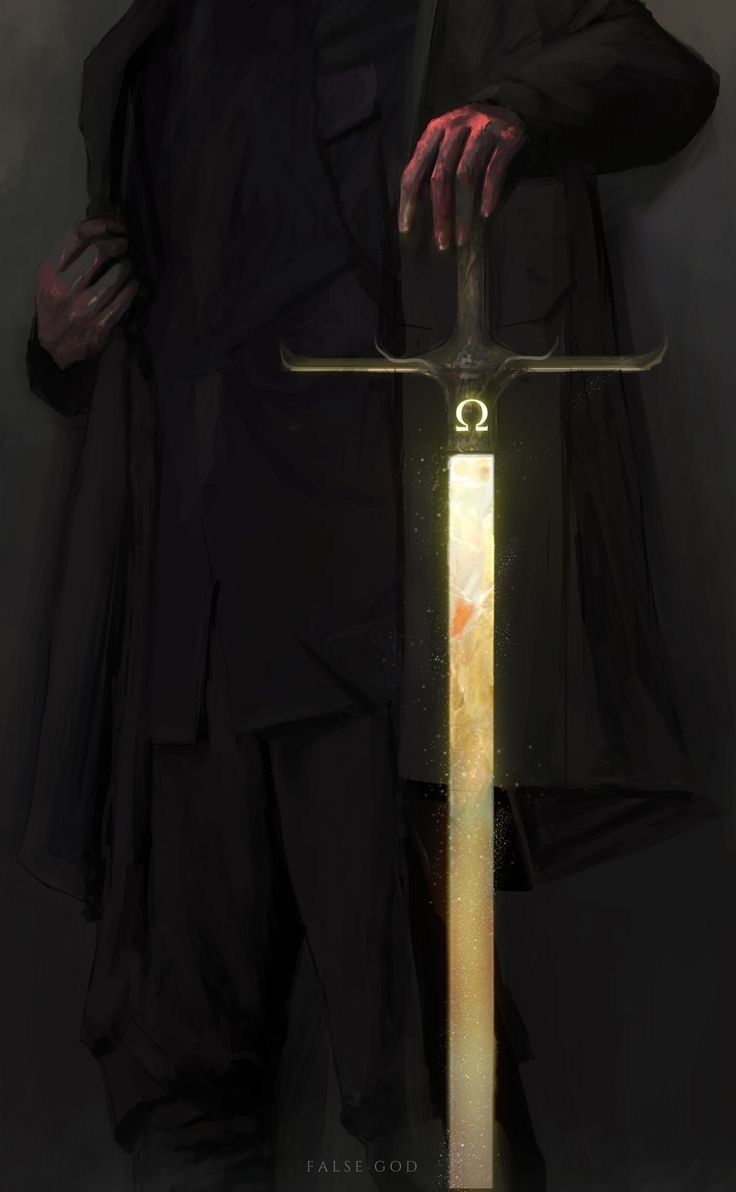
Yet in their curse abides a bitter grace,
For while the Sword Mothers haunt the mortal world,
Doom cannot wholly show its final face.

The blades may murder, sunder, burn, and mar,
Yet something deeper sleeps within their making,
A final wound reserved for moon and star.

And Tiamat, long fallen, walks once more beneath the sky,
Returned when Vecna’s banishment tore the old seals,
And ancient wings are heard again on high.

But not until three Dooms return beneath the spire,
And Rendgray, Rendlereign, and Rendpyre stand together,
May the oldest purpose wake within their fire.

Then shall the Dragon Queen behold her ancient foe,
And all the Scintilliant shall hear Highspire calling,
From mountain crown to caverns far below.

Then shall the Sixteen gather beneath the darkened sun,
And Siluvaria remember its first morning,
When dragon, elf, and sword were newly one.

And whether Highspire shall become their tomb or door,
No Mother sings, no dragon knows, no god has spoken,
For that last verse is written nevermore.
The Dragons of Siluvaria

Posted in Dragons, Gildensong, Siluvaria, The Scintilliant on September 24, 2026 by coyoteandthunder

The Scintilliant are a family only in the oldest and strangest meaning of that word: sixteen great dragons descended through different lineages from the first powers of dragonkind, born across different ages of the world and bound to one another by blood, rivalry, memory, and ancient obligation. Some remember siblings whom the younger wyrms know only as legends; some inherited territories from their forebears, while others seized their realms through fire and slaughter. No two are alike. Each has become an expression of the country it inhabits, as singular in temperament as in magic, whether guardian, tyrant, oracle, recluse, or monster. For the peoples living beneath their shadows, a dragon is therefore never merely a dangerous animal but a permanent fact of geography and history. Villages leave offerings, kings negotiate treaties, roads bend around forbidden mountains, and generations inherit rules concerning which lakes must not be crossed or which names must never be spoken beneath certain stars. A benevolent dragon may inspire reverence and even love; a cruel one may keep whole provinces in terror. Yet even the kindest inspires unease. Where a dragon reigns, awe is always attended by anxiety, gratitude by caution, and every upward glance carries some measure of trepidation, for the oldest truth of Siluvaria is that a dragon may love the people beneath its wings and still remain a dragon.

Taken together, the Scintilliant are less a council than a broken pantheon. They are sixteen survivors of the first ordering of dragonkind, each carrying some fragment of the ancient powers unleashed by the division of Bahamut and Tiamat and Sardior’s failed reconciliation. Some became guardians, some tyrants, some hermits, and some things for which mortal languages have no comfortable political name. Their territories overlap the kingdoms of Siluvaria without truly belonging to them, and their feuds are older than many mountains.

Thus the Dragon War of 1497 DR was never simply a war against dragons. It was the moment when the ancient disagreements of the Scintilliant ceased to remain above and beyond mortal history. Sixteen elder wyrms had endured into the age of elves and humans. When the war ended, only thirteen remained.

THE SCINTILLIANT

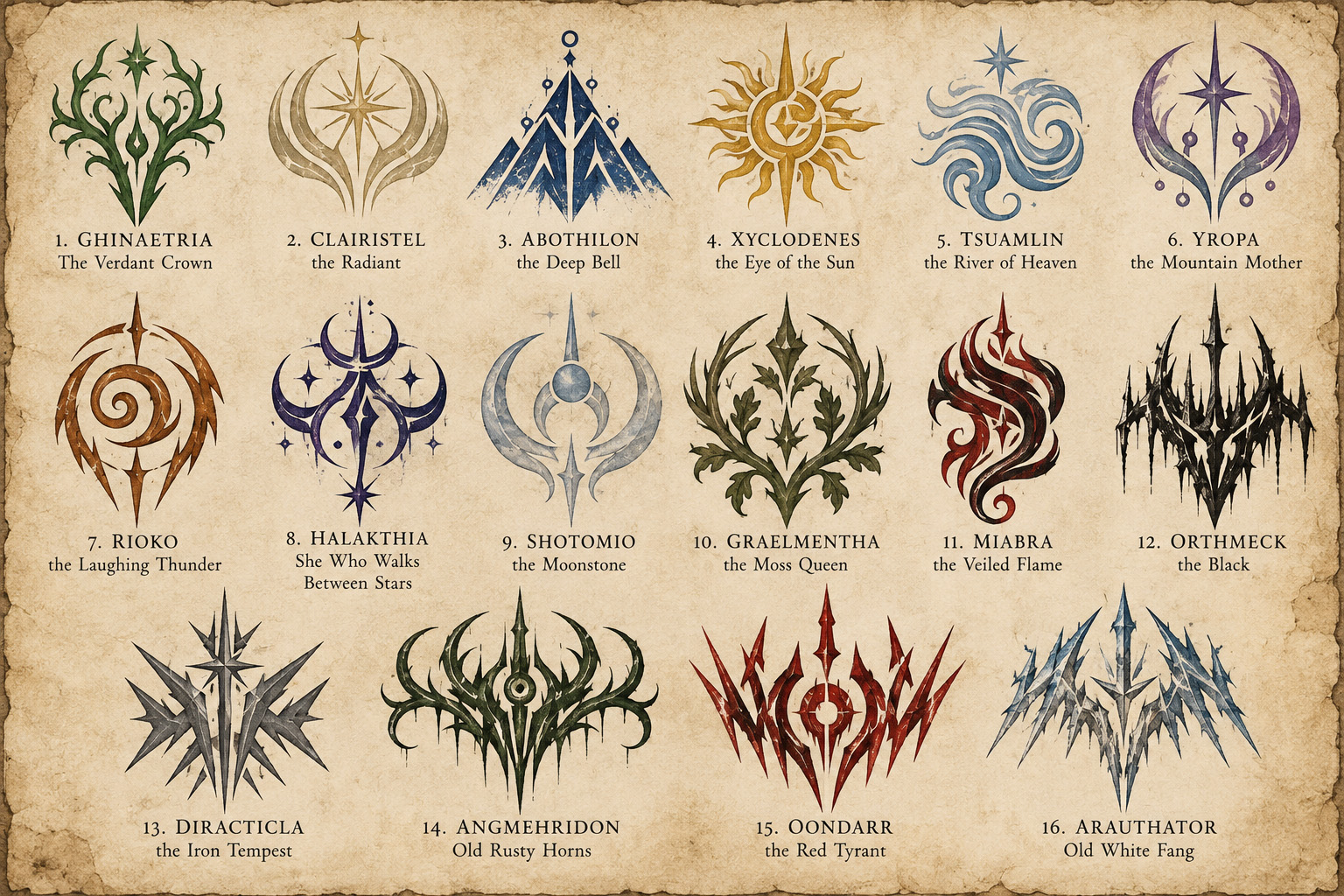
The Sixteen Dragons of the Scintilliant

Ghinaetria, the Verdant Crown
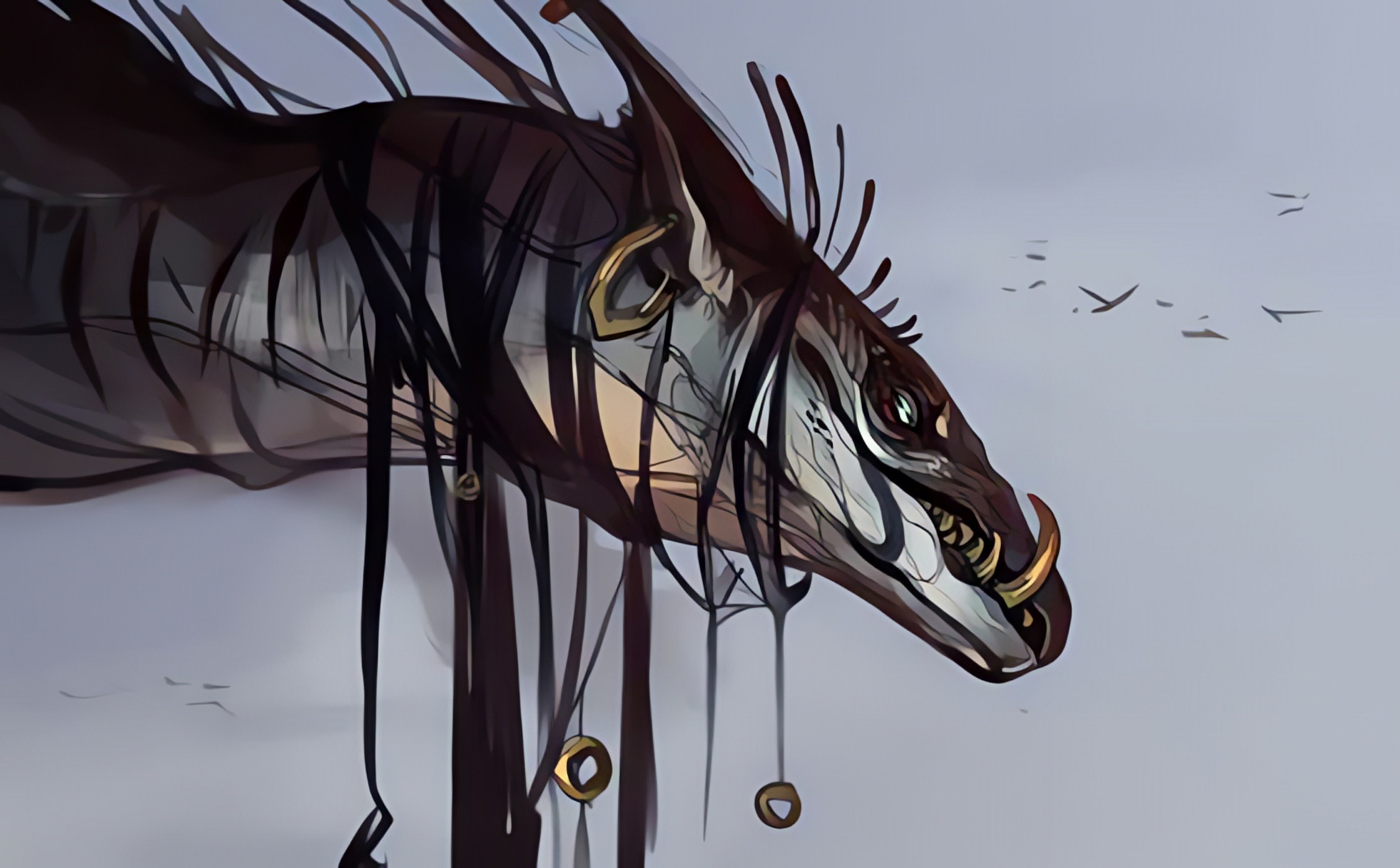
An immense bronze-green dragon whose scales carry the shifting colors of leaves after rain, Ghinaetria is among the oldest surviving guardians of western Siluvaria. Her dominion lies chiefly over Isalia, where the oldest forests remember her passage and certain trees are said to bend toward her when she flies overhead. Ghinaetria commands wind, rain, and growing things, and her breath falls as a green-golden storm that causes roots to burst from the earth. Patient and intensely territorial, she has little affection for kings or governments but tremendous loyalty to places. Mortals who protect the land may earn her friendship; those who injure it discover that her patience is measured in centuries, but her vengeance in minutes.

Ghinaetria

Clairistel the Radiant
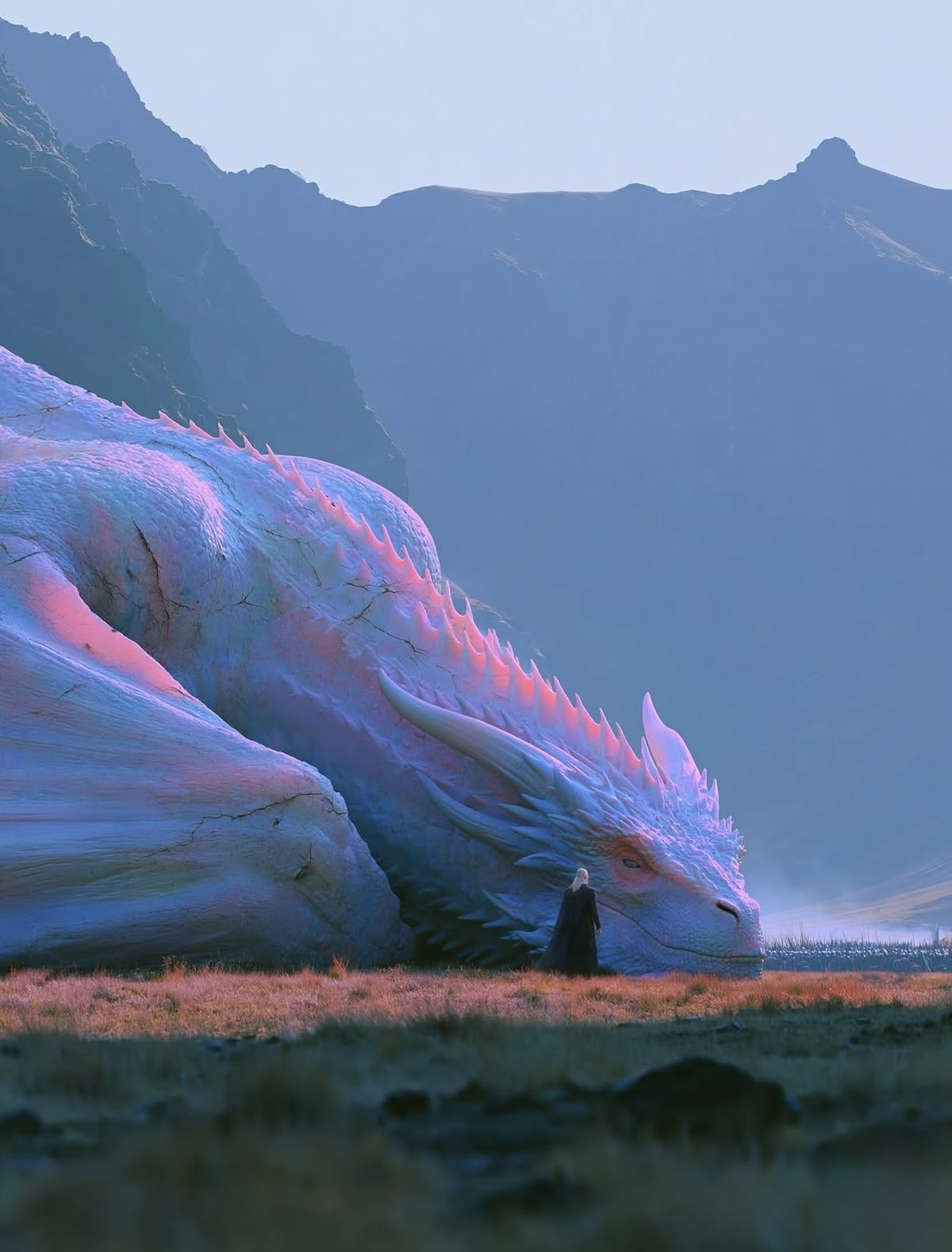
Sister to Ghinaetria, Clairistel was a magnificent pearl-white dragon whose translucent scales caught daylight and fractured it into halos of spectral color. Called the Radiant, she wielded light as both weapon and healing power and could cross the boundaries between worlds wherever sunlight touched living water. Clairistel possessed a grave and compassionate nature, regarding power as an obligation rather than a privilege. When the lost dragon god Sardior attempted to enter the mortal world through Prismeer in 1497 DR, Clairistel opposed him and was destroyed. For several years afterward, witnesses throughout Isalia reported seeing strange rainbows at sunset, even beneath cloudless skies.

Abothilon, the Deep Bell
The ancient cobalt dragon Abothilon sleeps beneath the mountains and drowned caverns of Ethylistyr, where his breathing is sometimes mistaken for distant thunder. His great horns curl backward like those of a ram, and the scales along his throat shine with blue mineral fire. Abothilon commands stone, subterranean water, and vibration. His roar can travel through mountains for miles, breaking walls without disturbing the grass above them. Slow to anger and almost impossibly contemplative, he may remain silent through an entire mortal audience before answering a single question. Earthquakes in Ethylistyr are traditionally called the turning of Abothilon, and miners still leave silver bells at deep shafts to announce themselves before entering his country.

Xyclodenes, the Eye of the Sun
Among the most magnificent of the Scintilliant, Xyclodenes is a colossal gold dragon whose wings shine like hammered metal beneath the noon sun. His golden fire once guarded the high mountains against things that climbed from older darkness, and for millennia his appearance above the peaks was regarded as an omen of protection. Xyclodenes possesses terrible powers of revelation: disguises fail beneath his gaze, invisible creatures cast shadows before him, and deliberate falsehoods become difficult to speak in his presence. Noble without being gentle, he expects courage from those who petition him and has little tolerance for self-pity. Of all the Scintilliant, he most closely resembles an ancient dragon-king.

Tsuamlin

Tsuamlin, the River of Heaven
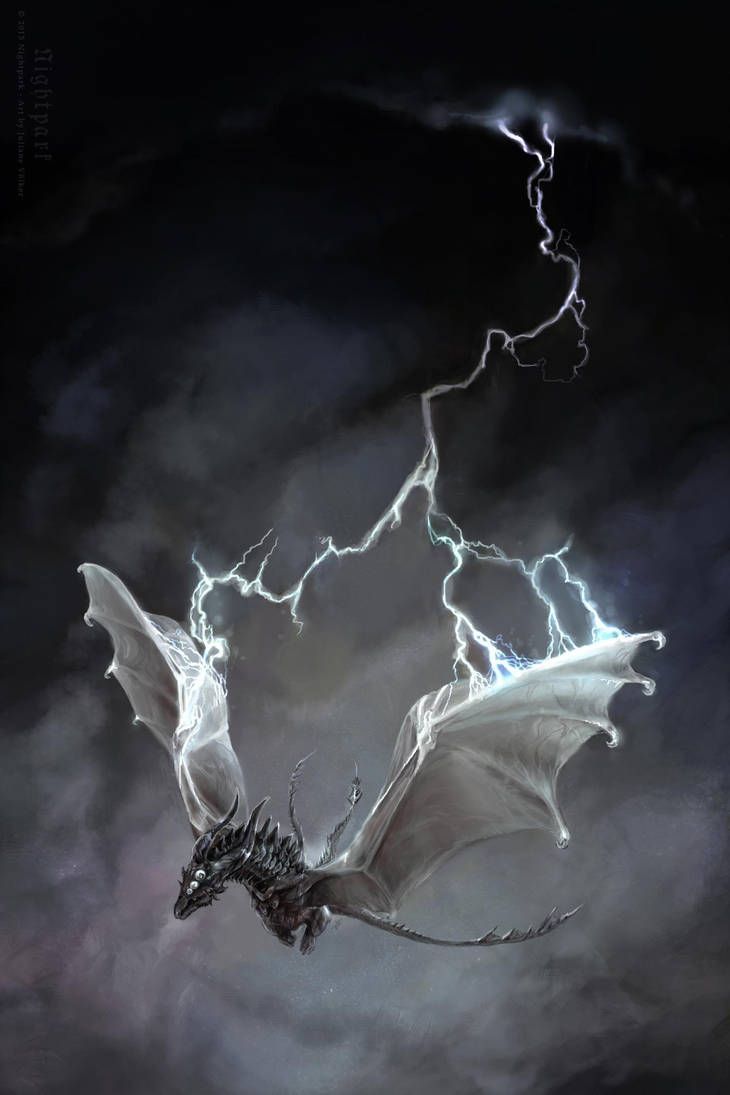
Long and serpentine, Tsuamlin is a silver-blue storm dragon of Earlann whose antlered head and trailing mane give him an appearance unlike the great western wyrms. He rarely walks upon the earth, preferring clouds, rivers, waterfalls, and mountain mist. His breath is not flame but a roaring torrent of electrically charged rain capable of sweeping soldiers from a battlefield. Tsuamlin is mercurial, humorous, vain, and fascinated by music. He has been known to answer an insult with a flood and a beautiful song with a century of friendship. Several rivers of Earlann are said not merely to belong to Tsuamlin but to be extensions of his dreaming body.

Yropa, the Mountain Mother
The great amethyst dragon Yropa was once among the most beloved of all the Scintilliant. Her vast wings shimmered violet, rose, and blue, and ancient Siluvaeren traditions remember them spread above the earliest elves as a shelter against the terrors of the young world. Yropa commands formidable psionic power, entering dreams, moving objects without touch, and speaking directly into minds across tremendous distances. She awakened Baertolaine as a psi warrior and later bore Skylla into the Dragon War. Yet Yropa’s fate became one of the great tragedies of the Scintilliant: corruption transformed her luminous hide into black crystal threaded with violet fire. Something of the Mountain Mother survives within that terrible form, imprisoned behind the power that claimed her.

Rioko, the Laughing Thunder
Rioko is a great copper dragon, broad-winged and scarred, whose mountainous territory lies among the western reaches of Earlann. His horns curl outward like a stag’s crown, and lightning-blue markings cover his muzzle and breast. Rioko delights in contests, riddles, improbable wagers, wrestling matches, and mortal celebrations, but the apparent levity conceals an extraordinarily perceptive mind. His thunderous breath can shatter fortifications, while his laughter itself can break enchantments of fear and despair. Rioko despises tyranny above nearly every other vice. More than one petty lord has invited the charming old dragon to dinner only to discover by morning that the gates of his prison had mysteriously been torn from their hinges.

Halakthia

Halakthia, She Who Walks Between Stars
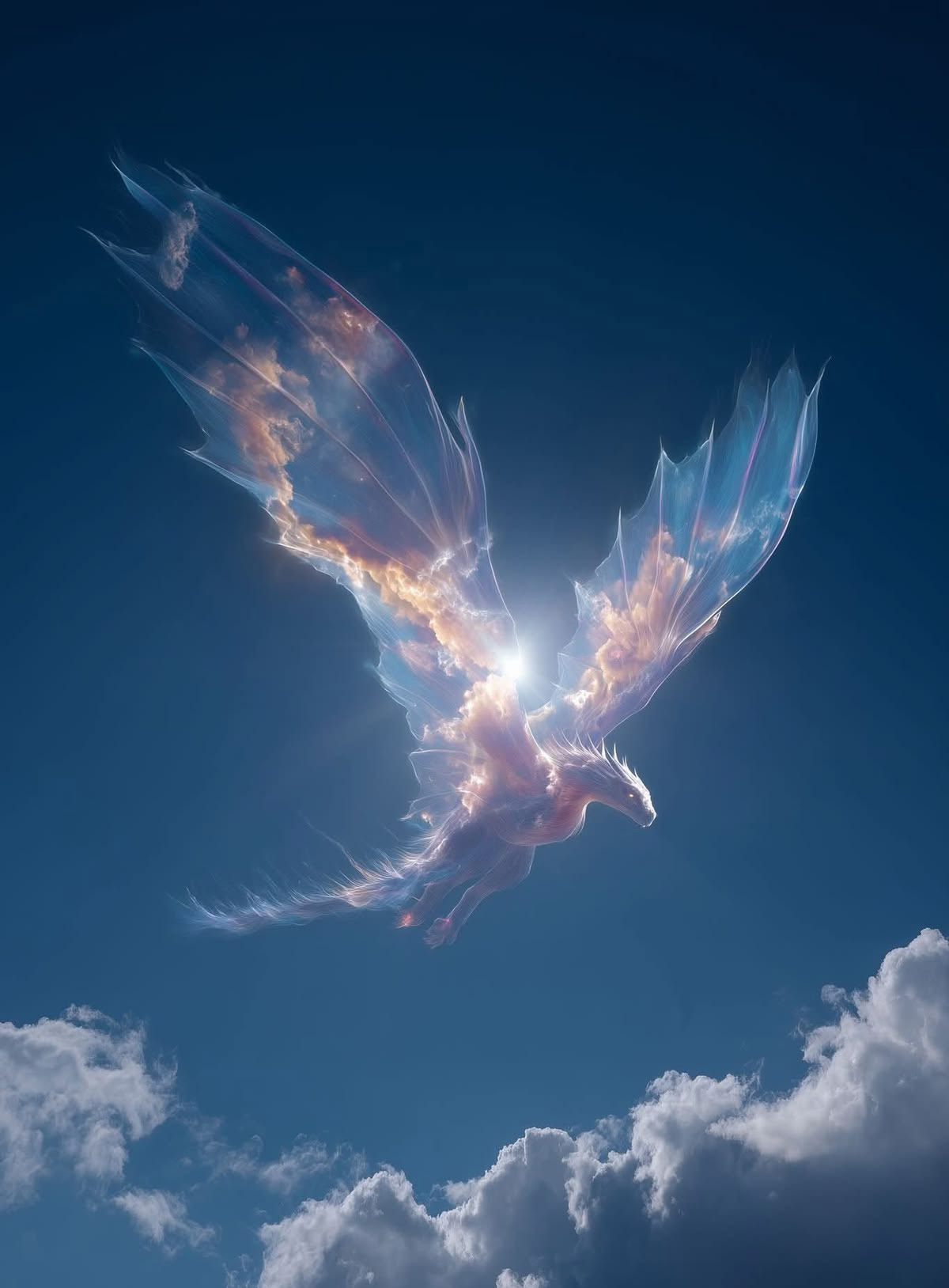
Perhaps the strangest of the Sixteen, Halakthia is a slender indigo crystal dragon whose scales resemble fragments of a winter night. Tiny points of light move beneath them like distant stars. She inhabits remote peaks and abandoned places where the barriers between planes grow thin. Halakthia can step briefly outside ordinary space, appearing miles away without crossing the intervening country, and her breath creates a field of glittering darkness in which distance becomes unreliable. She speaks softly, rarely intervenes in mortal affairs, and seems to perceive time differently from other beings. Prophets seek her and usually regret doing so. Halakthia seldom tells anyone what will happen. She tells them what must happen for something else not to occur.

Shotomio the Moonstone
The legendary moonstone dragon Shotomio possessed scales of milky silver that became almost transparent beneath moonlight. His domain encompassed dreams, reflected light, illusion, and the invisible pathways by which the Feywild touches Siluvaria. Gentle in speech but ferocious in defense of the innocent, Shotomio maintained particularly close relationships with elves and the benevolent fae. During the Dragon War, he answered the assault upon Silverymoon and confronted Angmehridon. On Flamerule 12, 1497 DR, Shotomio was destroyed defending the city. Siluvaeren astronomers claim that a previously unknown white star appeared near the moon that night and has never vanished.

Graelmentha, the Moss Queen
A vast emerald-brown forest dragon, Graelmentha is so thoroughly overgrown that trees take root between the scales of her back. Moss hangs from her jaw, mushrooms flower along her tail, and small birds sometimes nest between her horns. She inhabits the oldest forests and seldom flies unless greatly disturbed. Graelmentha’s breath carries spores that can produce either miraculous fertility or choking fungal death, according to her will. She is maternal, suspicious, and profoundly slow in judgment. Mortal kingdoms mean almost nothing to her. She remembers forests where cities now stand and regards three hundred years as a reasonable period in which to consider an apology. Druids say that when Graelmentha finally dies, she will simply lie down and become a mountain.

Miabra

Miabra, the Veiled Flame
Beautiful and deeply dangerous, Miabra is a slender red-gold dragon whose scales darken toward black along her wings and extremities. She has always moved nearer to mortal politics than most of her kin, cultivating relationships among elves, drow, archmages, smiths, and royal houses. Miabra possesses extraordinary command of magical flame and can burn enchantments themselves, stripping spells from objects without necessarily destroying the objects that bear them. She is intelligent, seductive, secretive, and difficult to place among either the benevolent or tyrannical Scintilliant. Miabra values promises intensely, but cares little whether the promises themselves are virtuous. Her involvement in the histories surrounding Caelithar and the Crimson Blade has ensured that no serious history of the Swords of Creation can entirely escape her shadow.

Orthmeck the Black
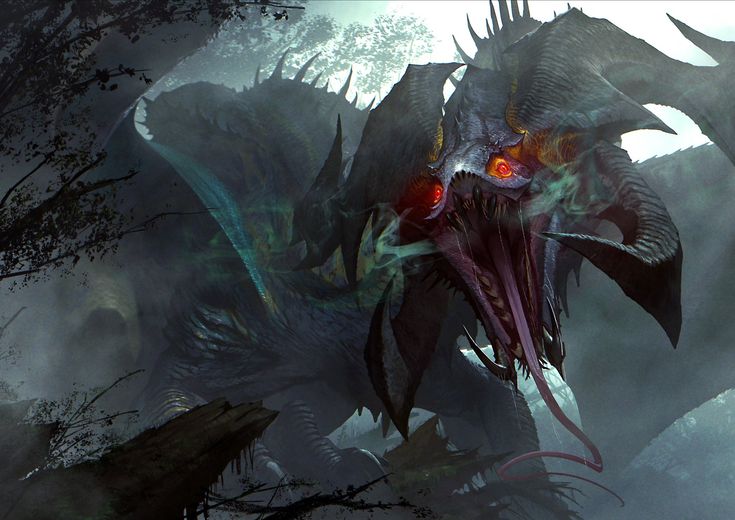
Called Old Black Orthmeck in the frightened stories of the eastern marches, Orthmeck is an immense ancient black dragon whose body has grown monstrous with age. More than two hundred feet from snout to tail, he possesses a strangely bone-white face, enormous glasslike horns, and a rasping cough that can be heard through the marsh long before he appears. Orthmeck rules poison water, decay, acid, and the drowned dead. His swamp has become almost an extension of his body, its twisted trees and black pools seeming to awaken when their master is threatened. He is vicious, avaricious, enormously intelligent, and possessed of a memory for insults that borders upon religious devotion. Yet he despises Angmehridon, and that hatred has occasionally placed the old monster on the useful side of history.

Orthmeck

Diracticla, the Iron Tempest
The terrifying Diracticla is an iron-gray dragon whose armored scales overlap like the plates of some celestial war machine. She rules among the eastern mountains, where ruined fortresses and abandoned roads testify to the kingdoms that once attempted to oppose her. Diracticla breathes a storm of metallic shards and magnetic force capable of tearing weapons from soldiers’ hands and armor from their bodies. She admires discipline, hierarchy, engineering, and war conducted with ruthless precision. Unlike Orthmeck, who rules through terror and appetite, Diracticla genuinely believes domination produces order. Her armies therefore march beneath laws, standards, quartermasters, and carefully measured supply trains. Of the hostile Scintilliant, she may be the most dangerous strategist.

Angmehridon, Old Rusty Horns
The elder green dragon Angmehridon is the dreaming horror of the deep forest. Roots and vines grow across his enormous body until a sleeping Angmehridon can be mistaken for an overgrown hill beneath the trees. His horns have weathered to the brown-red color that gives him his mocking mortal epithet, Old Rusty Horns. Poison is among the least of his powers. Angmehridon enters dreams, cultivates fear, plants desires, manipulates memory, and may spend decades preparing the corruption of a single enemy. He would rather persuade a hero to betray everything they love than kill them. Yet beneath this almost incomprehensible patience lies a peculiar terror: Angmehridon fears children. Something in their unfinished minds resists the pathways by which he enters the dreams of adults, and this ancient fear will eventually become central to his undoing.

Oondarr, the Red Tyrant
Oondarr is an enormous deep-crimson dragon, blackened along the belly and crowned with forward-sweeping horns like the blades of a war helm. He does not merely accumulate treasure. He accumulates power. Oondarr breeds soldiers, selects bloodlines, builds fortifications, appoints generals, studies roads, stockpiles grain, and measures civilizations according to whether they can be conquered. Beginning in 1485 DR, he deliberately breeds a superior strain of orc infantry and sends them against the borders of Gildensong, beginning the long escalation toward the Dragon War. Six thousand of his orcs eventually descend upon Edderoth itself. Oondarr’s flame burns an unnaturally dark red and can melt enchanted metal. Proud, disciplined, patient, and utterly imperial, he does not dream of destroying Siluvaria. He dreams of ruling it.

Arauthator, Old White Fang
Far to the north dwells Arauthator, the colossal white dragon called Old White Fang. His scales are not clean white but the colors of glacier ice, old bone, and storm cloud, while his wings become almost invisible against falling snow. Arauthator commands cold on a geographical scale. Lakes freeze beneath his passage, blizzards follow his anger, and his breath can turn stone brittle enough to shatter beneath a hammer. He is savage but not stupid, an important distinction lost upon many who have died in his country. Old White Fang possesses the patience of winter itself. He may stalk an enemy for weeks without revealing his presence, allowing cold, hunger, and fear to do most of his killing. He attacked Elandreth Filarian during the winter elf’s journey south from Methedra Vale and remains one of the great sovereign terrors of the extreme North.

Dragon Wars (1485-1505)

Posted in Dragons, Gildensong, Siluvaria, The Scintilliant on September 24, 2026 by coyoteandthunder

The Dragon Wars at Gildensong

1485 DR: Oondarr begins breeding a stronger and more disciplined strain of orc infantry in the eastern reaches. The first companies are sent west to test themselves against the Bladesong Knights at Tiruandar, beginning what is at first dismissed in Edderoth as another season of border violence.

1486 DR: The fighting widens into what becomes known as the Long Orc War, with battles spreading through the countryside of Earlann. At Memorianne, Miraedriel, a wolf-riding Bladesong Knight, destroys Urthgati, a demon of Lolth whose appearance reveals darker powers moving behind the orc offensive.

1487 DR: Orthmeck leads a goblin host against the elven city of Leandor in Isalian. Barrot Ithae, a human sorcerer and Bladesong Knight, organizes a daring sortie from the besieged city and breaks the attack, temporarily checking Orthmeck’s advance.

1495 DR, the Year of the Witchlight War: The Clockwork Coven captures Zybilna within Prismeer, an extradimensional realm deep within Siluvaria. In the same year, Vivianna’s sister, the witch Skylla, is angrily rebuked for reasons never publicly disclosed and removes herself to Silverymoon. Ogdinnion (Magister at Edderoth) later reports that Skylla departed with a substantial cache of arcane instruments stolen from the Vinespeakers.

1496 DR: Elandreth Filarian, a winter elf from the legendary Methedra Vale, arrives in Silverymoon bearing extraordinary news: a third functioning mythal lies hidden among the mountains of the extreme north. The discovery will prove crucial before the coming war is finished.

1497 DR: The Year of the Dragon War

The border conflicts erupt into the Dragon War, also remembered as the War of the Scintillant. Battlefronts spread across the High Forest and throughout Siluvaria. The Scintilliant, the twelve ancient dragons that have claimed the greater Siluvarian world since antiquity, descend into open war against one another and the peoples beneath them. By the war’s end, only nine will remain.

Ches 18: Word reaches Edderoth of the first great defeat of the Argent Legion by Orthmeck’s draconians at the Battle of Jalandhar. Gildensong responds immediately, dispatching 350 Bladesong Knights north to reinforce the Siluvaeren armies.

Tarsakh 1: The first of the terrible void zones, the Milentioch, manifests in Siluvaria. The fortress of Umgareth falls to the draconians and is rechristened Verminar. Thousands of draconians pour into Giants Dale, and Northguard is lost. With the ordinary roads collapsing under the advance, the elves of Isalian open the hidden ways of the Faenkalla to refugees, supplies, and military traffic. By this point the Bladesong Knights have been reduced to only 493 active knights.

Mirtul 1: Yropa the Wise is seen for the last time, bearing Vivianna’s sister Skylla into the gathering war. Neither rider nor mount is seen again by reliable witnesses.

Mirtul 7: Orthmeck and Angmehridon attack Silverymoon. The archmage Telmachion is slain, together with seventy-five Bladesong Knights, during the catastrophic Battle of the Fourth Shield.

Mirtul 28: Amid mounting losses, Ithilbre Glasshair is elevated as the 124th High Captain of the Bladesong Knights.

Kythorn 15: The Argent Legion wins its first major victory against the combined forces of Oondarr’s orcs and Orthmeck’s draconians at the Battle of Three Fronts. Victory comes at a terrible price: another sixty-four Bladesong Knights are killed. Facing the possible destruction of the order, High Captain Ithilbre begins the unprecedented conscription of Gildensong citizens into the knighthood.

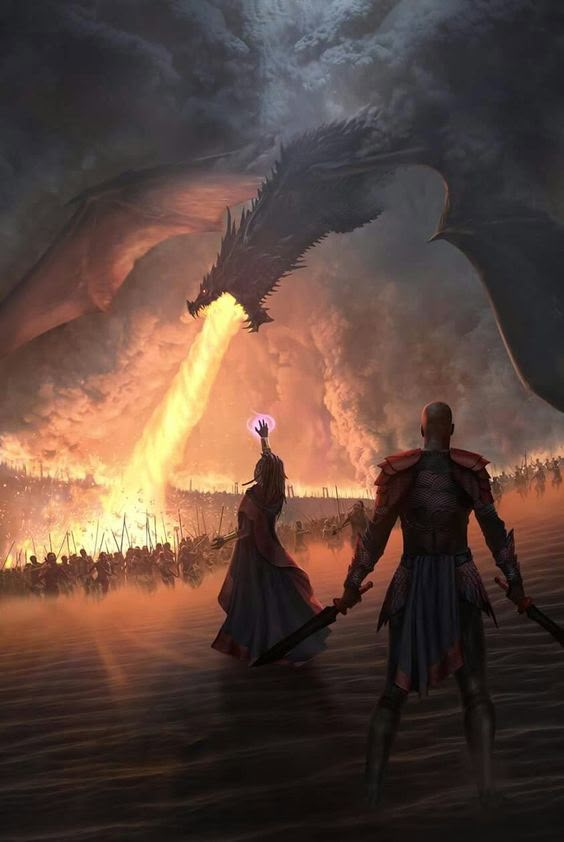
Kythorn 24: Oondarr comes against Edderoth itself. Six thousand orcs descend upon the Elder Valley and lay siege to the city and Castle Edderoth, bringing the Dragon War at last to the heart of Gildensong.

Flamerule 12: Shotomio the Moonstone defends Silverymoon against another assault by Angmehridon and is destroyed in the battle. At the same time, Orthmeck lays siege to Everlund, and the city falls.

Later that summer: With Edderoth still threatened, powers older than Gildensong enter the war. The Far Darrig, deep fae out of Faywell, emerge into Edderoth and fall upon Oondarr’s besieging army, routing the orcs and liberating the city. Above the walls, colossal wyrms meet in battle. Castle Edderoth is scarred by their violence, and the ancient Diamond Tower of Valen Gildensong is shattered.

Eleint 13: The lost dragon god Sardior appears within Prismeer and attempts to cross into the Prime Material World. Clairistel the Radiant, sister of Gnimetria, opposes the manifestation and is destroyed.

Nightal 15: Elandreth Filarian and Baertolaine, Champions of the Witchlight, ignite the lost mythal of the Gherivon and destroy the avatar of Sardior. Across Siluvaria, the surviving dragons of the Scintilliant retreat to their lairs. The Clockwork Coven is destroyed and Zybilna is freed. The great Dragon War is effectively over, although the armies it created remain.

Oondarr comes to Edderoth

The Long Aftermath

1498 DR: The dragons have withdrawn, but their war does not end with them. Draconian armies continue to plague Isalian, while Silverymoon sends troops south to reinforce the depleted Bladesong Knights in the campaign to retake Northguard.

1499 DR: Oondarr’s orcs, now commanded by General Orol Kul, seize the ruins of Myth Adofhaer and fortify the surrounding country. Their new stronghold becomes known as Blood Moon Vale, an enduring base for Oondarr’s power in the region.

1500 DR: The Blood Moon orcs unleash purple worms against Crystal Bed, threatening to destroy the settlement from below. The archfey Orius brokers an extraordinary alliance between the Bladesong Knights and the drow of House Theradril. Together they drive back the worms and restore the community. Afterward, Orius takes up residence at Edderoth, bringing another powerful fae presence into Vivianna’s court.

1502 DR: Gildensong begins the largest defensive works undertaken in generations. Fences, fortified roads, walls, watch posts, and borderworks rise along the principality’s eastern frontier deep within the High Forest. Much of the immense expense is borne by the Dessarin Hold and House Enimdere, binding commercial wealth ever more closely to the military defense of the realm.

1503 DR: The draconian general Ziburizet enters Edderoth under diplomatic protection, claiming possession of Shadowtop and demanding that Gildensong recognize his conquest. Vivianna’s court refuses. During the failed negotiations, Ziburizet attempts to assassinate Moonbow, but loses his black sword in the ensuing melee and escapes with the assistance of a concealed abishai, a fiend bound to draconic power. The abishai is subsequently revealed as Nicandlin, the hidden architect of the Clockwork Coven’s attempt to restore Sardior. More disturbing still, the abandoned black sword is identified as Rendgray, one of the primordial Swords of Doom.

1504 DR: The campaign to recover Shadowtop begins. What is intended as a decisive offensive hardens into a brutal siege that will consume more than two years, drawing knights, money, and supplies from across Gildensong.

1505 DR: After a succession of costly battles, the Bladesong Knights retake Shadowtop. Victory exposes a deeper betrayal. Evidence reveals that Skylla, sister of Vivianna, has been working alongside Nicandlin and Ziburizet. All three escape capture, taking with them the body of Kannoth, the ancient vampire, for purposes unknown.

Divination performed afterward reveals something still more troubling. Kannoth is not merely an ancient vampire but an incarnation, vessel, or manifestation of a far older being from ancient Daotyr: Volukai, an elder power of immense and uncertain nature. Thus the war that began with Oondarr’s breeding pits in 1485 ends its second decade not with peace, but with the discovery that dragons, draconians, witches, and orcs have been moving across the surface of a much older game.

Muel of the Raelfaen

Posted in Ancient Lands, Ethilistyr, The Fae People, The Scintilliant, The Shadow Road on January 30, 2009 by coyoteandthunder

Liat-anak, with his Moonblade, maybe the first to be made from Siluvarian steel, had one brother in Anontyr, year 307 KN, the Calendar of the Khepathian Empire of Men and Fae, approximately 4,506 DR.

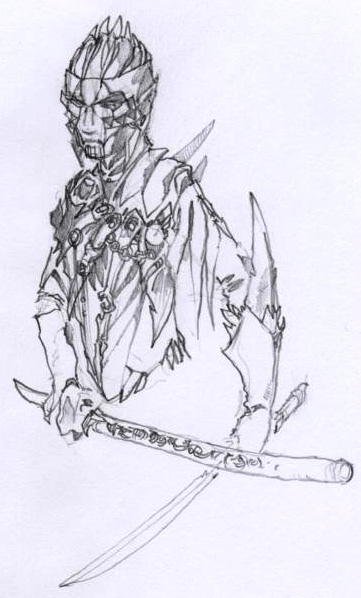
With his brother, Fore-Lohr, the forcemage, he ruled the raelfaen fortress of Muel and destroyed the undead Red Dragon Chirchianon, sire to the future Scintilliant lord Ooandarr.

The brothers brought the Thunderspear back to Muel from where Chirchianon fell at the Gates of Morandos.

Fore-Lohr wields a runed tooth of Chirchianon as a weapon.

FORE-LORE, slayer of Chirchianon

LIAT-ANAK of MUEL

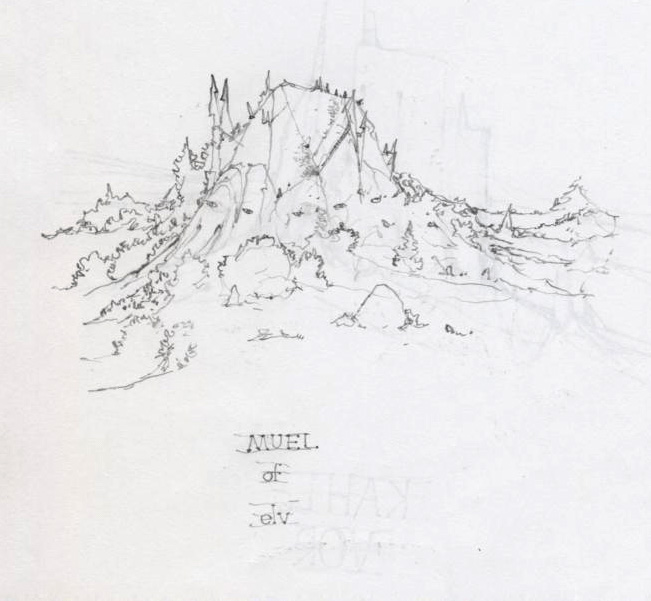
Muel, the armored palace, is a city made of plates mined from the Feywilds of Essalo.

Inside is a wondrous jungle; outside, only a shell on the Blight Taiga.