THE BLOOD OF LILTHEN
Prologue: Before the Waters
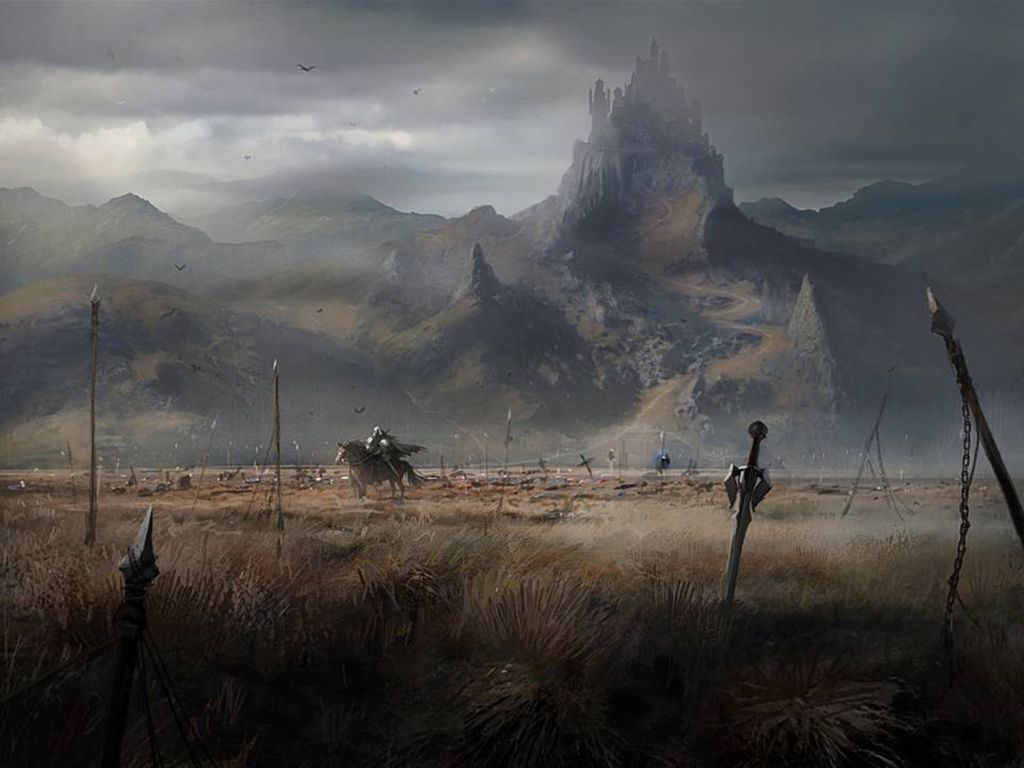
In the beginning of the Faywild, there was no sea. Hollows existed, certainly, and long valleys where the earth had folded on itself, and caverns beneath the mountains that descended into darkness beyond any star’s reach. But those places held no water, and no rivers led to them. The land was young, and all its substance was uncertain. The mountains were soft as wax. The plains breathed in their sleep. Great forests of fungus, taller than kings’ towers, rose overnight from the steaming earth, their pale crowns unfolding beneath a sky that had not yet decided whether it was day or night.
There were mushrooms whose gills shed golden dust, and others whose roots wandered underground like searching fingers. There were towers of amber mold and vast shelves of black lichen, and in the valleys stood forests of translucent stalks through which the light of the Scintiliant passed in strange colors. Sometimes a thousand tiny eyes opened upon the surface of a single fungus, and sometimes a whole hillside sighed and moved away from the place where it had grown.
The Faywild had been born of the Rending, and it possessed something of the wound that had made it. It was not a country apart from Siluvaria, but a strange reflection of the Scintiliant, as the face of a beloved person might appear in broken glass. Mountains remembered other mountains. Valleys repeated the shapes of distant valleys. Sometimes a creature would look upon a tree and recognize it, although neither creature nor tree had existed the day before.
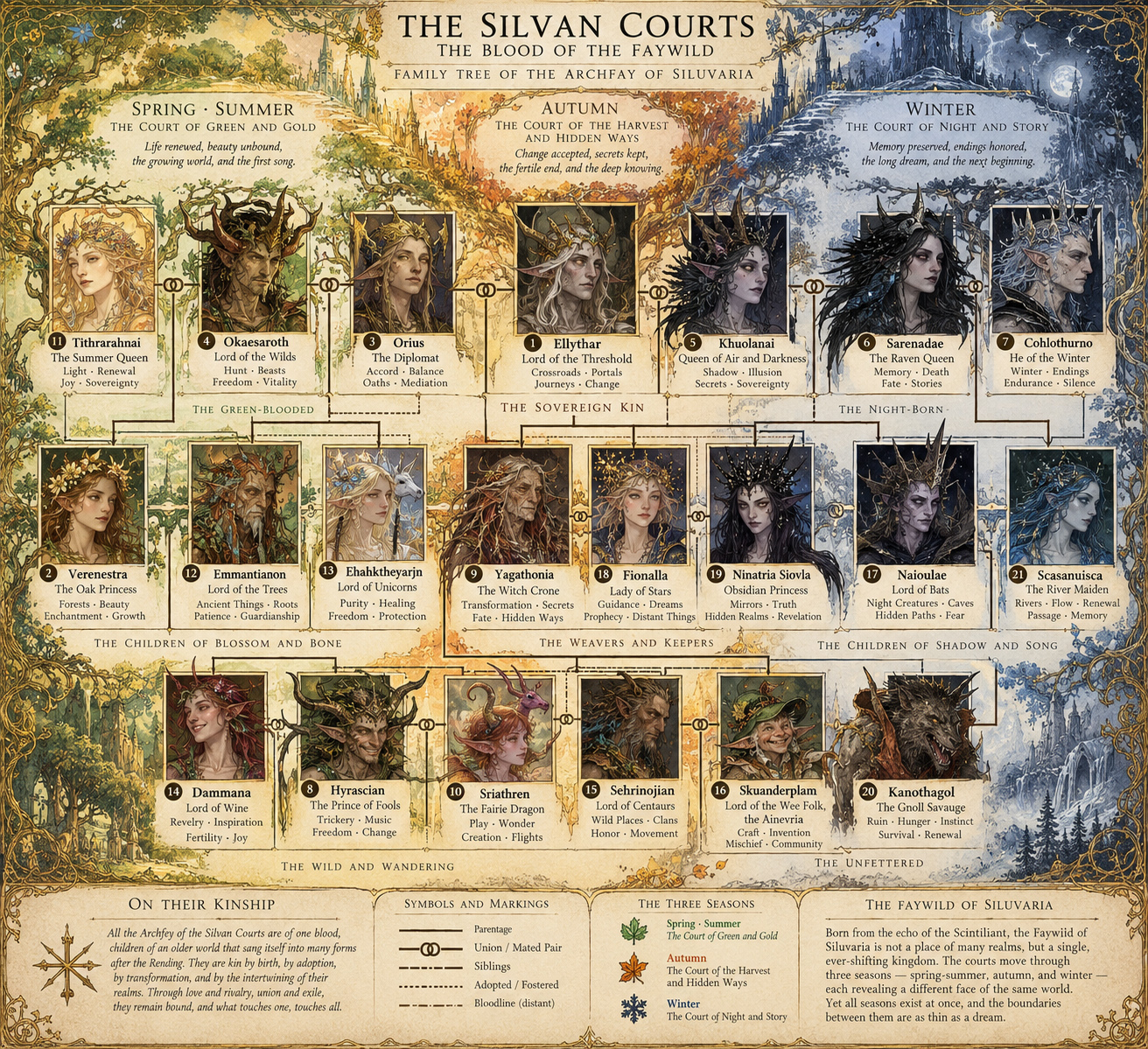
And in this unsteady country dwelt the First Kindred. Avarion and his consort Maelithrae, pioneering fay, had awakened together when the world was broken. Their children and descendants multiplied among the fungal forests, and with them came laughter, jealousy, invention, longing, and the first small cruelties of love.
Ellythar, eldest among the first children, wandered the boundaries of things and discovered that every boundary was not fixed. His sister Yagathonia learned the secret names of transformation and grew old before anyone understood what age meant. Their sister Khuolanai delighted in the darkness between the lights of the world, and gathered about herself those mysteries that could not endure the scrutiny of day.
From these three sprang the greater kindreds, until twenty-one archfay held dominion over the growing country, though none could yet say precisely what dominion meant. And there was another. Her name was Lilthen. She was the youngest daughter of Avarion and Maelithrae, born after the others, when the first astonishment of creation had given way to the ache of remembering. She had no throne, no court, and no creature that called her mistress. Yet she possessed a gift that none of her kindred could imitate.
When a fungus was torn from the earth, she felt the sundering of its roots. When a creature died, she heard the silence left behind it. When her brothers and sisters quarreled, she knew not merely what they said, but what each had hoped the other would understand. It was a troublesome gift in a family that had not yet learned to forgive. Lilthen was neither wholly beautiful nor wholly terrible. Her hair was dark as the earth beneath the oldest mushrooms, and her eyes were the color of garnets held against a candle. Her skin bore the faint red tracery of veins, as though the light of the world passed through her more freely than through other beings. When she laughed, the fungal forests opened their caps. When she wept, a red dew gathered upon the stones.
Chapter I: The Feast of the First Spores
The first great gathering of the Silvan kindred was held beneath a mushroom whose crown was wider than a valley. Its stem was white and ribbed like the column of an enormous temple, and its gills shone with a pale green light. Beneath it, the earth was warm and soft, and from every fissure rose the scent of wet stone, iron, and growing things. The occasion was a feast, although no one could remember who had called it.
Dammana, lord of wine, had discovered that the amber juices of certain fungi could be fermented, and he had filled a hundred vessels with his invention. He was delighted beyond measure, for he had found a substance that made the sorrowful merry, the timid brave, and the wise indiscreet. He poured the first cup for Lilthen. “Drink, little aunt,” he said, although she was younger than he. “For I have made a thing that teaches the heart to speak.”
“The heart has never lacked a voice,” answered Lilthen.
“Then I have made something that persuades the ears to listen.” Damana responded. Lilthen laughed and drank. Nearby, Hyrascian, the prince of fools, was balancing upon the curved stem of a mushroom, singing insulting verses about the dignity of kings who had not yet acquired kingdoms. His brother Skuanderplam, lord of the ainevria, had gathered a multitude of tiny woodland folk, who emerged from the folds of his cloak and stole ornaments from the assembled guests. Hyrascian had persuaded them to replace the stolen ornaments with beetles. Thus did Orius, the diplomat, discover a living insect in his ceremonial collar.
“I have negotiated peace between creatures with less reason than you,” Orius told Hyrascian.
“And did they keep it?” Hyrascian asked doubtfully
“For a time.” Replied the diplomat
“Then you must teach me how to rule.” Hyrascian pleaded
Orius removed the beetle and placed it gently upon the ground. “I suspect,” he said, “that you are beyond instruction.”
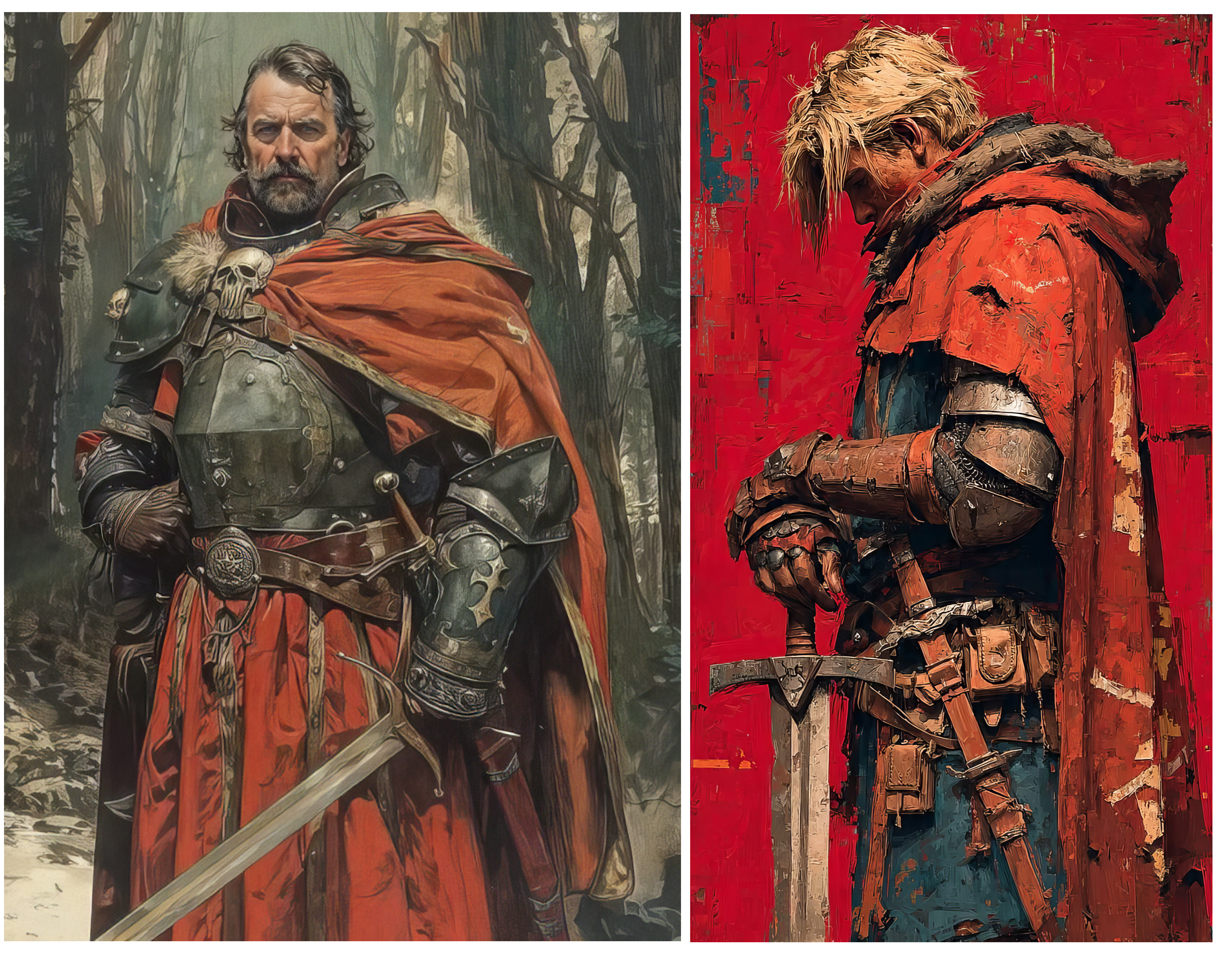
On the far side of the gathering, Tithrarahnai, the summer queen, sat beside Okaesaroth, lord of the wilds. Their affection was a thing of such abundance that the ground flowered wherever their hands touched. Okaesaroth wore a crown of branching antlers, though no deer had yet been born to the Faywild. Tithrarahnai wore a mantle of green and gold, woven from the first leaves of plants that had never before existed. They were magnificent, and knew it.
Their daughter Verenestra, the oak princess, wandered among the guests carrying a little tree in a bowl of earth. She had discovered the oak, and was greatly pleased with its stubbornness. “It grows slowly,” she told Lilthen, “and refuses to be hurried.”
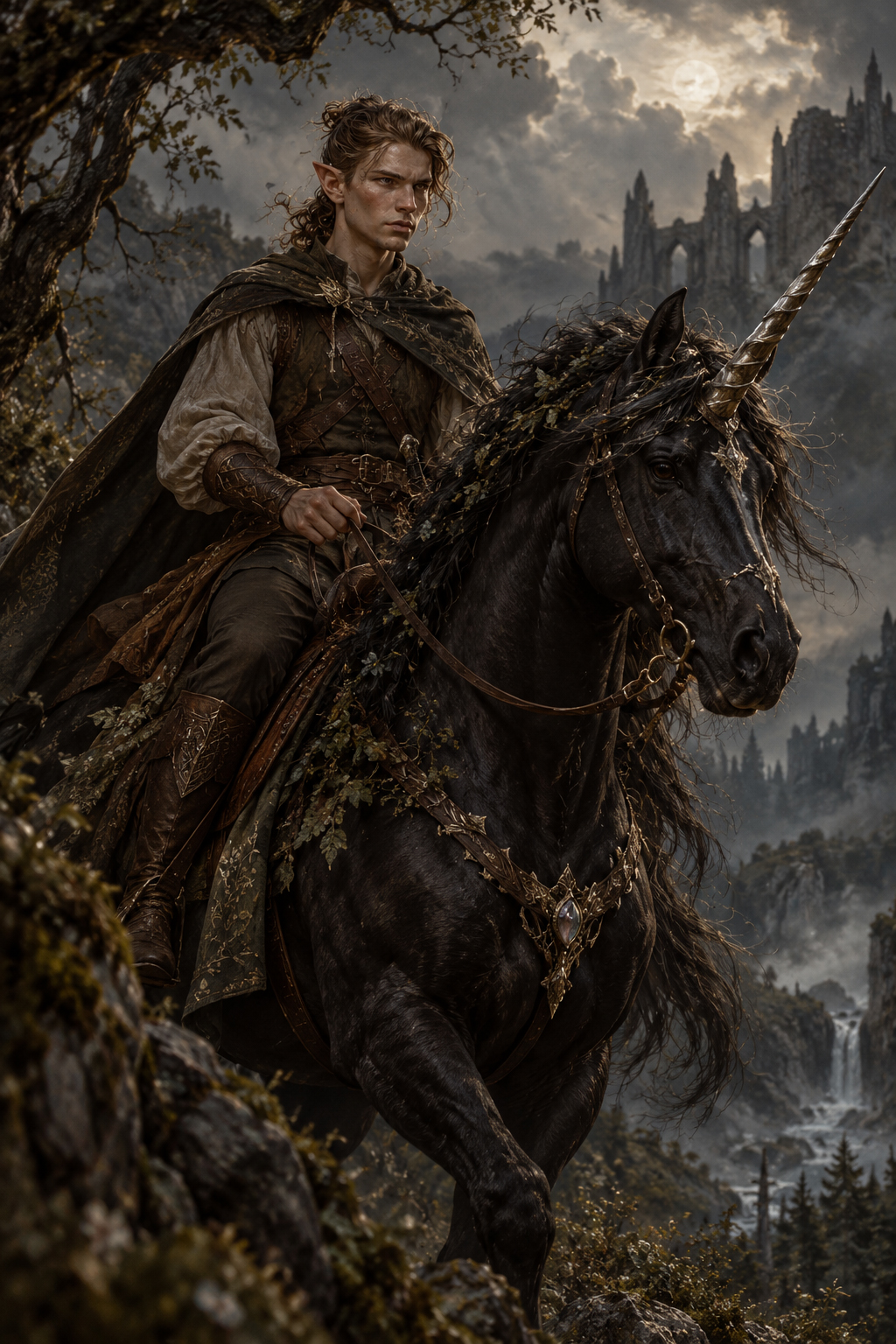
Emmantianon, lord of the trees, bent over the little oak with grave attention. He had already begun to understand that patience might be a form of power greater than speed. Beside him stood Ehahktheyarjn, lord of unicorns, whose pale garments were unblemished by the steaming soil. He was troubled by the violence with which the young world grew. “Everything feeds upon something,” he said. “Even the smallest root destroys what lies beneath it.”
“That is not always cruelty,” Lilthen replied.
“No,” said Ehahktheyarjn. “But I fear we shall grow accustomed to cruelty by giving it other names.”
Sehrinojian, lord of centaurs, overheard them and laughed. “Then you should learn to run. There is wisdom in the distance between one’s heels and one’s troubles.” He was a restless being, broad of shoulder and quick to anger, who believed that no living creature ought to remain in one place long enough to become its prisoner.
Sriathren, the fairie dragon, circled above the feast, shedding iridescent sparks from his wings. He was small enough to perch upon Lilthen’s shoulder, but his pride was larger than the mushroom beneath which they gathered. “I have flown beyond the western hills,” he announced.
“And what lies there?” asked Lilthen.
“More hills.” But he would keep flying. For Sriathren could never bear the thought that something beautiful might exist beyond his knowledge.
At the center of the feast sat Ellythar. He was quiet, as he often was among his family, and watched the revelry with the expression of one who sees both the beginning and the ending of a story at once. He had discovered thresholds: between light and darkness, sleeping and waking, truth and invention. He knew that the Faywild was full of passages that had not yet been opened. Lilthen came to sit beside him. “You are troubled,” she said.
“I have found a door.”
“Where?” His little sister looked to him with wide eyes.
“Everywhere.” Ellythar looked to the horizon
“Then perhaps you have found the way forward.”
“That is what frightens me.”
Ellythar turned toward her. “Little sister, there are places in this country that ought not yet to be entered. We have come into being too quickly. The land remembers more than we know.”
“Then we must learn what it remembers.” Lilthen said confidently.
Ellythar took her hand. “But promise me that you will not open every door merely because someone asks you to.” Lilthen looked at him with such tenderness that he was ashamed of his fear.
“I promise to listen,” she said. It was not the promise he had requested. And he knew it.
Chapter II: The Daughter of Night
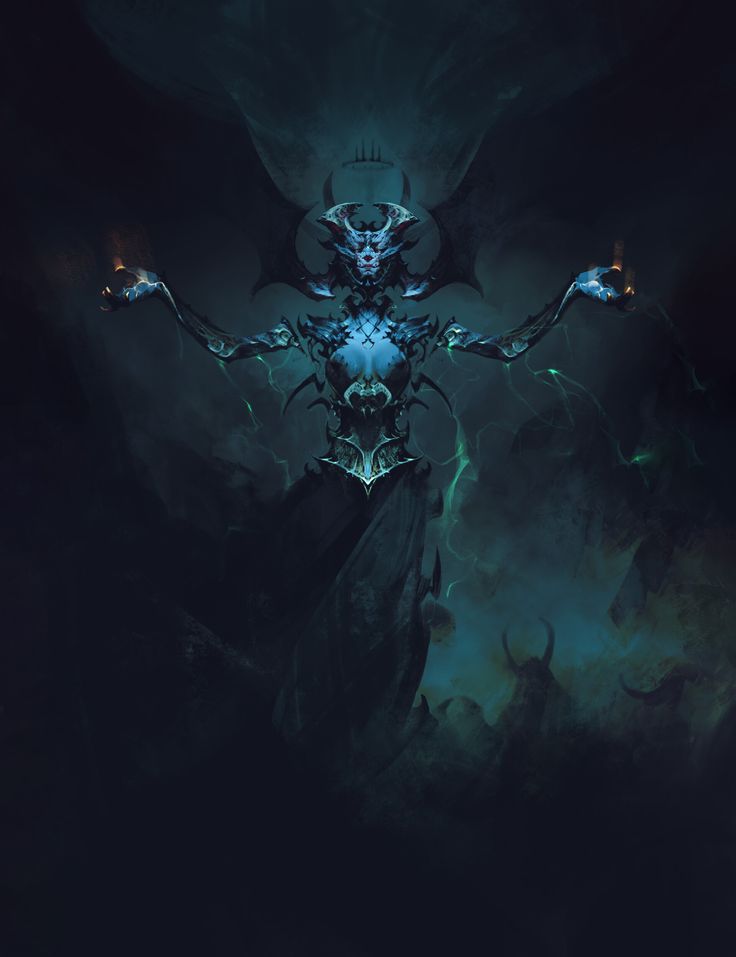
Not all the family rejoiced at the feast. Khuolanai, the queen of air and darkness, stood beneath the outermost shadow of the great mushroom, where its luminous gills could not reach. She wore no crown, for she considered crowns an admission that sovereignty required an audience. Her beauty was cold and severe, and her eyes reflected nothing.
Beside her stood Morvath, the Unremembered King, whose name was already slipping from the minds of those who heard it. Their children gathered around them. Cohlothurno, he of the winter, was pale and proud, and spoke seldom except to wound. He believed that all things beautiful were made more precious by the certainty of their ending.
Naioulae, lord of bats, listened to the feast from the darkness above. He had discovered the pleasure of hearing what others could not, and knew the location of every whisper beneath the mushroom’s enormous crown.
Ninatria Siovla, the obsidian princess, held a mirror of black glass in which the faces of her relatives appeared as they might become rather than as they were. She looked into it too often, and was beginning to mistake possibility for prophecy.
And Kanothagol, the Gnoll Savauge, crouched upon the warm earth beyond the feast, gnawing a bone. He wore no ornaments. His fur was matted with spores, his teeth were yellow, and his eyes were bright with the intelligence of an animal that has never required permission to live. He despised the feast. Not the food, for he loved food, nor the company, for he loved his kindred after his own fashion. He despised the manner in which they had begun to arrange themselves according to rank. “Look at them,” he growled to Naioulae. “They have been alive for scarcely a breath, and already they are deciding who shall stand above whom. Others must labor to acquire loyalty. Lilthen receives it merely by listening.”
Cohlothurno turned his pale eyes toward his aunt. “Do you envy her?”
“No.” But the word was spoken too quickly. At that moment Sarenadae approached. She was the Raven Queen, daughter of Yagathonia and sister to Tithrarahnai and Fionalla. Her garments were dark, and a single black feather lay upon her breast. She had begun to hear the voices of things that had ceased to exist, though in those early days there were few such voices. “I have heard something,” she said. “It said that one of us would die.” Kanothagol raised his head. He had smelled fear. And for the first time since the Rending, fear had the scent of blood.
Chapter III: The Promise of the Hollow Places
In those days the Faywild had begun to divide against itself. Not into separate kingdoms, for there was but one Faywild, and its lands were bound together by the strange reflection of the Scintiliant. Yet the archfay differed in what they desired the country to become. Tithrarahnai wished it to flourish. Okaesaroth wished it to remain wild. Emmantianon wished it to endure. Yagathonia wished it to change. Khuolanai wished it to keep its secrets. And Ellythar wished, above all, to monitor the passages and keep them safe. But the land was drying.
The molten valleys cooled into stone. The enormous fungi drank the moisture from the earth, and where their roots had passed, the soil became powder. Their crowns collapsed in clouds of spores that darkened the sky for days. Beneath them, creatures newly born to the Faywild struggled for nourishment. Scasanuisca, the river maiden, wandered the empty channels of the world and wept. She had been born with the knowledge of rivers, yet no river existed. She could hear their music in her dreams. She knew the turning of currents, the gathering of rain, the patient labor of water upon stone. But when she opened her hands, nothing flowed between her fingers. She came to Lilthen in sorrow. “I have been made for something that does not exist,” she said.
Lilthen embraced her. “Then perhaps it has not yet been made.”
“Who will make it?” the riverless maiden pleaded.
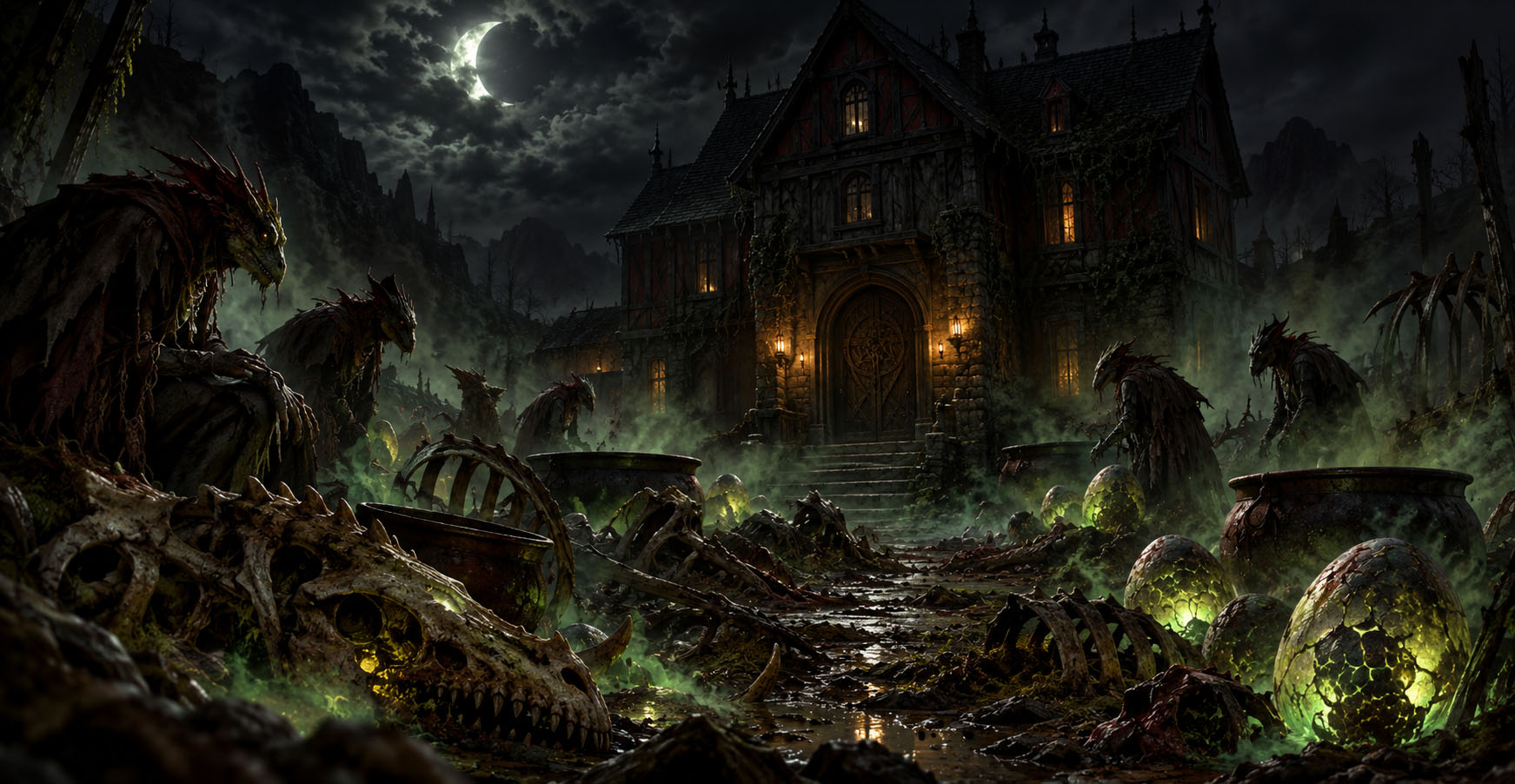
Lilthen had no answer. That evening she sought Yagathonia. The witch crone lived beneath a forest of red fungi, where the air was thick with spores and the ground was covered in the bones of creatures that had died before acquiring names.
Yagathonia sat before a cauldron fashioned from the hollow shell of an enormous beetle. Within it simmered a substance that changed color whenever she looked away. “Come in, child,” she said.
Lilthen had not announced herself. “You knew I was coming?” Yagathonia did not answer, but stirred the cauldron.
“What troubles you?” the crone answered
“The land is thirsty.” The fay maiden answered, “Scasanuisca hears rivers that have not been born.” Yagathonia stopped stirring.
“Everything may be made from something else.” The witch replied and looked at her for a long time. “Do you know what blood is?”
Lilthen touched the red veins beneath her wrist. “It is what carries life.”
“It is also what life cannot afford to lose.” Yagathonia mused.
“Could blood become water?”
“Certainly.”
Lilthen smiled. “Then we have found the answer.”
“No,” said Yagathonia. For the first time in her existence, the witch crone sounded afraid. “We have found a question.” She reached into the cauldron and drew forth a red thread, wet and shining. “Blood remembers the body from which it came. It remembers the warmth of the heart, the shape of the veins, the touch of the skin. If it were made into water, it would remember all these things still.”
Lilthen looked down at her hands. Yagathonia seized her wrist. “Do not think it, little one.” The witch’s fingers tightened. “Listen to me, Lilthen. There are gifts that cannot be given without making the giver a prisoner of the gift.”
Lilthen gently withdrew her hand. “And there are needs that cannot be answered without sacrifice.”
Chapter IV: The Three Betrayals
It was Ninatria Siovla who first saw the sea. She saw it in her obsidian mirror, winding through the Faywild in a thousand arms, filling the valleys and encircling the hills, passing beneath roots and through caverns, touching every geography of the newborn country. Its waters were dark red. Upon its shores stood forests taller than the fungal towers, and in its depths swam creatures whose names had not yet been spoken. She saw Scasanuisca dancing upon its waves. She saw Verenestra’s oaks growing beside its banks. She saw the unicorns of Ehahktheyarjn drinking from its tributaries, and the centaurs of Sehrinojian crossing its shallows. She saw the ainevria building little boats beneath the reeds, and Sriathren flying above the water with sunlight shining through his wings. And she saw Lilthen lying dead.
Ninatria Siovla dropped the mirror. It did not break. She carried it to Khuolanai. The queen of air and darkness gazed into the glass, and her expression changed. They discussed it for a while. Ninatria had seen the sea, and in the sea she had seen a new order of things. Water would connect the scattered lands. Rivers would carry voices, memories, creatures, and power. Whoever understood the sea would understand the movement of the Faywild itself.
She imagined its dark waters beneath her winter stars. And she desired it. “We must learn what the vision means,” Khuolonai said. Thus was the first betrayal committed: the withholding of a truth that might have saved a life.
The second betrayal belonged to Orius. The diplomat had discovered that Tithrarahnai and Khuolanai were preparing for conflict. The summer queen wished to bring forth forests and living rivers, while the queen of air and darkness feared that such abundance would leave no place for secrecy, silence, or the necessary endings of things. Orius believed that war between them would destroy the newborn country. He sought a compromise. He went first to Tithrarahnai.
“Would you accept a country in which the waters belong to neither court?” He asked the Summer Queen.
“Of course,” she answered. “Water should belong to all.”
Then he went to Khuolanai. “Would you accept a country in which the waters remember every sorrow, so that nothing lost may be forgotten?”
Khuolanai considered this. “Yes,” she said. Orius believed he had found peace. He did not understand that the two queens had agreed to different things. Tithrarahnai desired living water. Khuolanai desired remembered death. And between them stood Lilthen, whose blood might satisfy both.
Orius knew of Yagathonia’s discovery. He knew that Lilthen had begun to consider offering herself to the land. Yet he did not tell her that the queens had made their peace around the possibility of her sacrifice. He told himself that silence was necessary. He told himself that a diplomat must sometimes withhold the truth to prevent a greater evil. Thus was the second betrayal committed: the sacrifice of honesty upon the altar of peace.
The third betrayal was the cruelest. It belonged to Ellythar. He had discovered a threshold beneath the deepest hollow of the Faywild, a place where the broken reflection of the Scintiliant folded inward upon itself. There the land was thin, and the substance of the world could be changed. He knew that Lilthen had visited Yagathonia. He knew that she was seeking a way to bring water into the Faywild. And he knew that if she entered the hollow place, the transformation might become irreversible.
He went to her. “Do not go,” he said.
“Scasanuisca is dying of thirst for rivers that do not exist.”
“She will endure.”
“The forests are failing.”
“Then we shall make others.”
“The creatures are suffering.”
“Then let them suffer a little longer.”
Lilthen stared at him. “You do not mean that.”
“No,” he said. “I do not.” He took her hands.
“I have seen what lies beyond the threshold. It is not a place where one may give a little and return unchanged. It will take all that you offer.”
Lilthen looked toward the distant fungal forests. “Then perhaps I must offer all.”
Ellythar felt the terrible certainty of her words.He loved her more deeply than any of his kindred, for she alone had never asked him to explain the sorrow of knowing too many possible futures. And he was afraid. So he told her a lie. “The threshold is closed,” he said. “I have sealed it.”
Lilthen searched his face. “Then I shall find another way.” She kissed his brow and departed. Thus was the third betrayal committed: the lie told by love to preserve what love could not bear to lose.
Chapter V: The Murder of Lilthen
The murder took place beneath the Hollow Crown, where the greatest fungus in the Faywild had collapsed and left a crater so vast that its rim could not be seen from the center. The earth was warm. Red spores drifted through the darkness. Beneath the broken crown lay the threshold Ellythar had concealed. Lilthen came alone. Or so she believed. She carried no weapon. Around her neck hung a little oak leaf given by Verenestra, a feather from Sarenadae, and a bright scale shed by Sriathren. In her hands she held a cup of Dammana’s wine.
She had come to give herself to the land. But she had not come to die. Lilthen believed that the transformation could be shared. If each of her kindred offered a little of their power, the Faywild might receive its waters without the destruction of any one among them. She had written to them all. Some had answered. Some had not. At the edge of the crater stood Tithrarahnai and Okaesaroth, radiant even in the darkness. Beside them were Emmantianon, Verenestra, Ehahktheyarjn, and Sehrinojian. From the autumn paths came Orius, Dammana, Hyrascian, Skuanderplam, and Scasanuisca. Yagathonia arrived carrying her cauldron. Fionalla walked beside her, with stars caught in the folds of her garments. And from the shadows came Khuolanai, Cohlothurno, Naioulae, Ninatria Siovla, and Kanothagol. Sarenadae followed last. Ellythar stood apart. Sriathren circled above them, his wings glittering against the red darkness.
All twenty-one had come. Lilthen was overjoyed. “You see?” she cried. “We need not lose anything. Together we may make the waters.” But Yagathonia did not smile. The witch crone looked into her cauldron and saw that the substance within had turned black. “The threshold is hungry,” she whispered.
Khuolanai stepped forward. “Then let us feed it.”
Lilthen turned toward her sister. “What do you mean?”
“The land requires blood.”
“A little from each of us.” Khuolanai shook her head.
“The vision does not show a little.” Ninatria Siovla began to tremble.
Lilthen looked from one face to another. She saw the fear in Yagathonia’s eyes, the sorrow in Orius, the terrible stillness of Ellythar. And she understood. “You have decided,” she said. No one answered. “You have decided that I must die.”
Tithrarahnai rose in anger. “No!”
Her voice rang across the crater, and flowers sprang from the dark earth. “No one shall take your life.”
Khuolanai regarded her niece coldly. “Then there shall be no sea.”
“Let there be none.”
Scasanuisca fell to her knees. Lilthen looked at the river maiden and felt her sorrow like a blade beneath the ribs. She turned toward the others. “Will none of you speak?”
Hyrascian opened his mouth, but for once no jest came. Dammana dropped his cup. Verenestra began to weep. Ehahktheyarjn stepped forward. “This is wrong.” He looked toward the queens. And hesitated. That hesitation would haunt him forever.
Kanothagol rose from his crouch. “I will not kneel to this,” he growled. He bared his teeth at Khuolanai. “You call yourselves rulers, yet you would feed upon your own blood.”
Lilthen turned toward the threshold. “I shall enter willingly.”
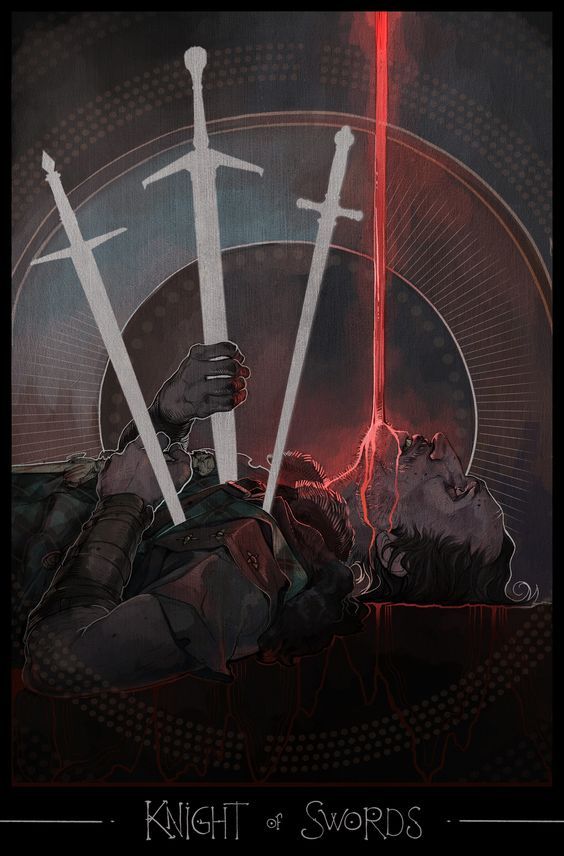
Ellythar moved to stop her. But Khuolanai raised her hand. And the darkness closed around him. It was Cohlothurno who struck the first blow. He had been waiting for his mother’s command, believing that obedience was the highest form of loyalty. He drew from the cold air a blade of winter, thin and pale as the first frost upon a grave. He drove it into Lilthen’s back. The sound was very small. A breath. A gasp. The breaking of something that had never before been broken.
Lilthen staggered. She turned toward him. “Cohlothurno?” He could not meet her eyes.
Khuolanai stepped forward, but Sarenadae seized her arm. “No,” whispered the Raven Queen. For the first time, death had come among the archfay. And Sarenadae heard its voice. It was Lilthen’s. The dying archfay looked toward Ellythar. He struggled against the darkness, but could not reach her.
“Forgive me.” Ellythar wept.
Lilthen smiled through her pain. “I already have.” Then she fell into the threshold. And the world opened.
Chapter VI: The Thousand Arms
No one knew how much blood a body might contain until Lilthen died. The first torrent rose from the hollow like a mountain breaking apart. It was dark and thick and warm, and it carried within it the memories of every sorrow Lilthen had ever felt. It filled the crater. Then it overflowed. Across the molten plains it ran, carving channels through the soft earth. It poured beneath the fungal forests and broke their roots. It descended into caverns and rose again through distant springs. It divided around mountains, encircled hills, and found its way into every valley of the Faywild.
It became a sea with a thousand arms. And wherever its waters passed, the land changed. The great fungi collapsed upon its banks, and from their rotting substance rose the first true forests. Oaks thrust their roots into the dark soil. Willows bent over the red currents. Reeds grew in the shallows, and moss spread across the stones. The air cooled. Clouds gathered. Rain fell for the first time. Scasanuisca stood upon the shore and felt the waters answering her. She had received everything she had desired. And she hated herself for it. She waded into the sea until the dark water reached her throat.
“Lilthen,” she whispered. The waves touched her lips. They tasted of iron and salt, and memory. Far away, Sriathren flew above the new channels, following them through valleys and over hills until he understood that the waters had no single beginning and no final end. He returned exhausted, his wings stained red.
“The sea goes everywhere,” he told the others.
“Then she is everywhere,” said Verenestra.
Emmantianon knelt beside the first oak to grow upon its banks and placed his hand against the trunk. He felt the tree drinking Lilthen’s blood. And he understood that every forest of the Faywild would henceforth be nourished by a murder. Ehahktheyarjn led his unicorns to the shore, but they would not drink. He wept with shame.
Sehrinojian drove his centaurs across the shallows, searching for a place where the water ran clear. They found none. Skuanderplam built the first little boats, and the ainevria sailed them through the reeds. He told his people never to laugh at the sea, for its waters remembered every insult. Dammana poured his wine into the waves. It disappeared without a trace. From that day forward, he swore that no feast should begin without a cup poured for the dead.
Hyrascian wandered the shores in silence for a hundred days. When at last he spoke, it was to tell a joke so cruel that everyone who heard it began to weep. Thus did he discover that laughter and sorrow were not enemies, but close companions.
Orius traveled from one branch of the sea to another, seeking to reconcile the kindred. Yet every agreement he made was haunted by the knowledge that his silence had helped bring about Lilthen’s death. He became the greatest diplomat of the Faywild. And never again trusted a peace purchased without truth.
Yagathonia gathered a little of the sea in a black vessel and sealed it with seven knots. She knew that Lilthen’s blood could transform anything. But she also knew that every transformation would carry a debt. From that day onward, the witch crone demanded a price for every gift, not because she loved cruelty, but because she had learned what happened when the cost of magic was concealed.
Fionalla looked into the night and saw the stars reflected upon the wine-dark water. She gave each star a name, so that no life might vanish without remembrance.
Naioulae sent his bats through the caverns beneath the sea, and they returned with tales of submerged passages and forgotten chambers. He became the keeper of hidden routes, for he had learned that even grief possessed secret ways.
Ninatria Siovla looked into her obsidian mirror. For the first time, it showed her nothing. She had seen the future and failed to prevent it. Thereafter she feared her own visions, yet could not cease seeking them.
Cohlothurno stood upon the northern shore, where the sea had entered a valley of cold stone. He washed his hands. The blood would not come away. He summoned frost, and the water froze around his fingers. But beneath the ice the sea remained dark, and his reflection looked back at him with Lilthen’s eyes. He withdrew into winter. And winter became the season in which the family remembered what it had done.
Khuolanai stood alone upon a cliff above the new sea. She had obtained the country she desired: a land of hidden depths, dark waters, and memories that could never be erased. Yet she found no triumph in it. The waves below her whispered with Lilthen’s voice. Not accusing. Not forgiving.
And Khuolanai discovered that there is no darkness deep enough to conceal a crime from the heart that committed it.
Kanothagol came to her upon the cliff. He was covered in mud, and his teeth were stained with the blood of creatures that had died in the flood. “You have made a fine kingdom,” he said. Khuolanai did not answer. “A kingdom of blood.”
“Leave me.”
He laughed, but there was no joy in it. “You would have me kneel to you, mother. Yet the sea does not kneel. The beasts do not kneel. The dead do not kneel.” He turned away.
“Neither shall I.”
From that day forward, Kanothagol refused every summons to court unless he came by his own desire. And though he loved his family, he would never again trust its crowns.
Chapter VII: The First Turning
The murder of Lilthen did not destroy the Silvan kindred. It made them a family. Before her death, they had been bound by blood, but blood alone had meant little in a world where no one had yet learned what could be lost. Afterward, they were bound by memory, guilt, affection, resentment, and the knowledge that each had played some part in the making of the sea. Even those who had resisted the murder were changed by it.
Tithrarahnai could not forgive Khuolanai. Khuolanai could not endure Tithrarahnai’s forgiveness, had it been offered. Ellythar withdrew from the company of his siblings, for he had discovered that a threshold could be crossed only once, and that no door opened backward into innocence. Sarenadae gathered the last breath of Lilthen and held it within a black feather. She had become the keeper of the dead, though she had never desired such a calling. And Scasanuisca wandered the thousand arms of the sea, tending its currents and speaking to the sorrow that lived beneath them.
In time the waters cooled. The fungal forests gave way to groves of oak, beech, and willow. Meadows spread across the former plains of ash. Creatures multiplied, and the Faywild became crowded with strange life: bright-winged insects, whispering beasts, dancing folk, wandering spirits, and creatures that were neither animal nor plant, but something between. Yet the sea remained wine-dark.
Its waters were blood, though no longer blood in the ordinary sense. They flowed and gathered, rose as mist, fell as rain, and returned again through root and river. They carried life, but they carried memory also. And the kindred discovered that the sea changed with their passions. When Tithrarahnai rejoiced, its shores flowered. When Khuolanai brooded, its depths grew black and still. When Hyrascian laughed, its waves danced against the stones. When Yagathonia worked her transformations, strange creatures rose from its shallows. When Cohlothurno grieved, ice formed upon its northern arms. When Fionalla sang, the stars appeared upon its surface even beneath a clouded sky. When Dammana celebrated, the sea gave forth a fragrance like wine. When Scasanuisca mourned, its currents wandered into new channels. And when Ellythar opened a threshold, the waters passed through it, carrying the memory of Lilthen into places no living creature had yet discovered.
Thus the sea became the living conscience of the Faywild. And because the kindred could not escape its remembrance, they began to make laws. The first law was that no archfay should take the life of another. The second was that no sovereign should hold dominion forever. The third was that every gift should be acknowledged, and every bargain should name its price. But these laws were not enough.
For the family had discovered that the desire to possess what one loves may become indistinguishable from the desire to destroy it. So they agreed upon the turning of the seasons. In spring-summer, the Court of Green and Gold would ascend, and the Faywild would flourish beneath the rule of Tithrarahnai and Okaesaroth. In autumn, the Court of the Harvest and Hidden Ways would inherit the land, and Ellythar, Orius, Yagathonia, and their kindred would govern the passages, bargains, celebrations, and reckonings of the world.
In winter, the Court of Night and Story would take its turn, and Khuolanai, Sarenadae, Cohlothurno, and the night-born would preserve the memories of all that had passed. There would be no separate realms. The Faywild would remain one country. But no season would reign forever. And the sea would touch them all.