The Rending of Highspire
THE RENDING OF HIGHSPIRE
A Tale of Rainmark
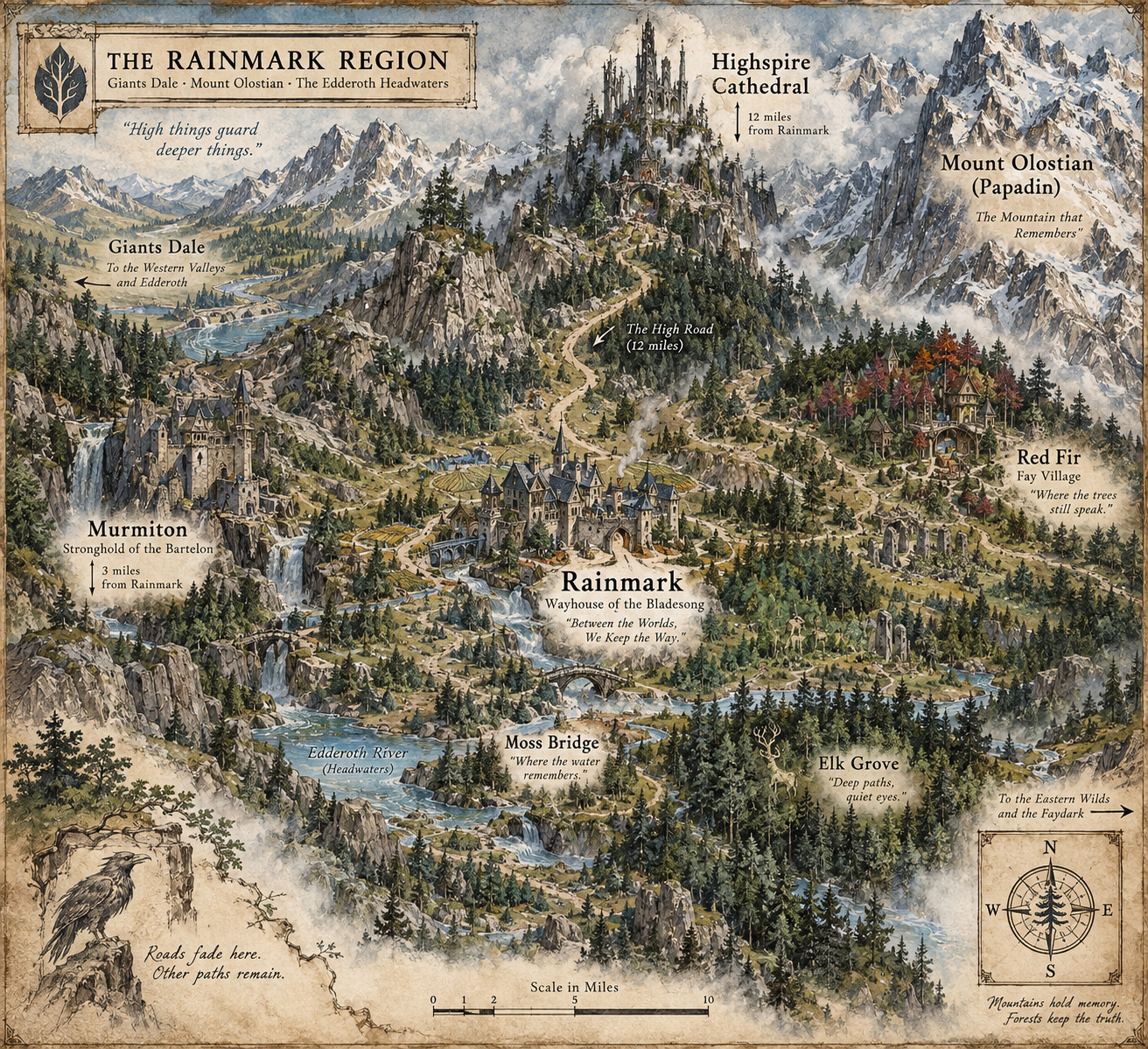
In Gildensong’s northernmost country, where the vineyards have long since surrendered the hills to black oak and pine, where granite and snow surround expansice high meadows that give pasture to mighty herds of elk, there stands the stronghold called Rainmark. It was one of the wayhouses, in the rolls of the Bladesong Knights, though wayhouse is an old word and misleading. Rainmark was no roadside inn. It is a fortress, a village, a granary, a refuge, a school of arms and, to those who had been born beneath its steep blue roofs, simply home.
Rainmark stands where the upper waters of the Edderoth gather from a hundred nameless springs between Giants Dale and the great mountain Olostian, which the shepherds and charcoal-burning goliath tribes have called Papadin since before any knight of Gildensong had ridden north.
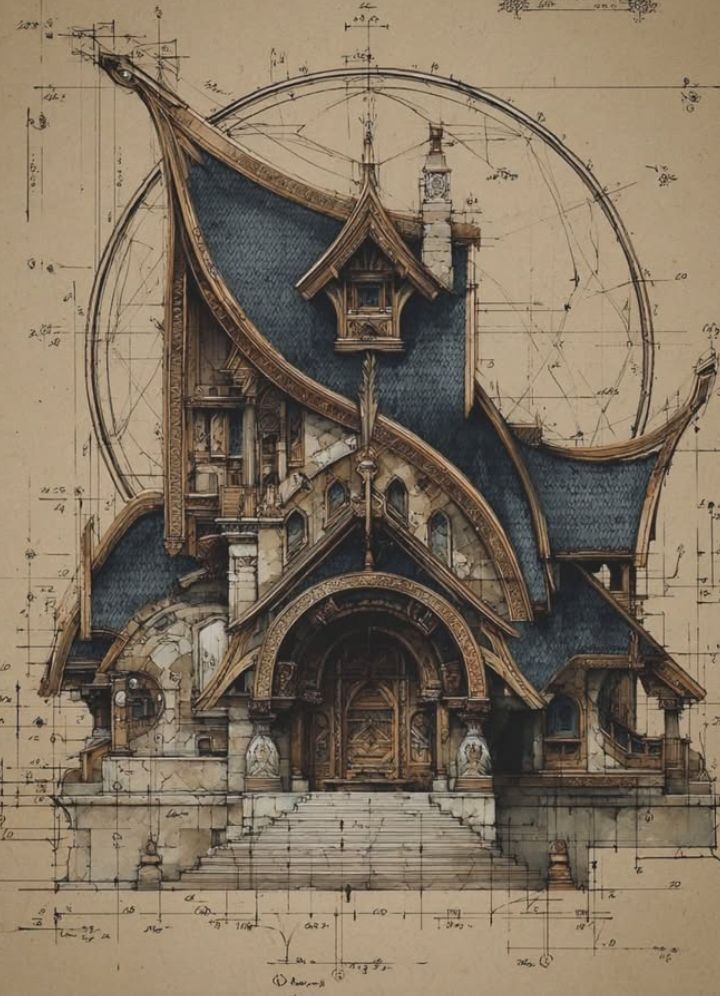
Papadin is a mountain that makes its own weather. Clouds come to it when the encompassing sky is empty. Thunder walks its western shoulders in summer. Snow remains in its northern gullies when the valleys below are loud with insects and warm with wine. There were caves in Papadin that have never known sunlight and little alpine meadows that flower for only a fortnight each year. The people of Rainmark know these things as well as they know the rooms of their houses. They know where the marmots emerge in spring. They know which slopes the mountain dragons favored when the morning thermals begin. They know where not to whistle after sunset. And they knew that beyond the last stone markers east of Rainmark the world becomes less than certain.
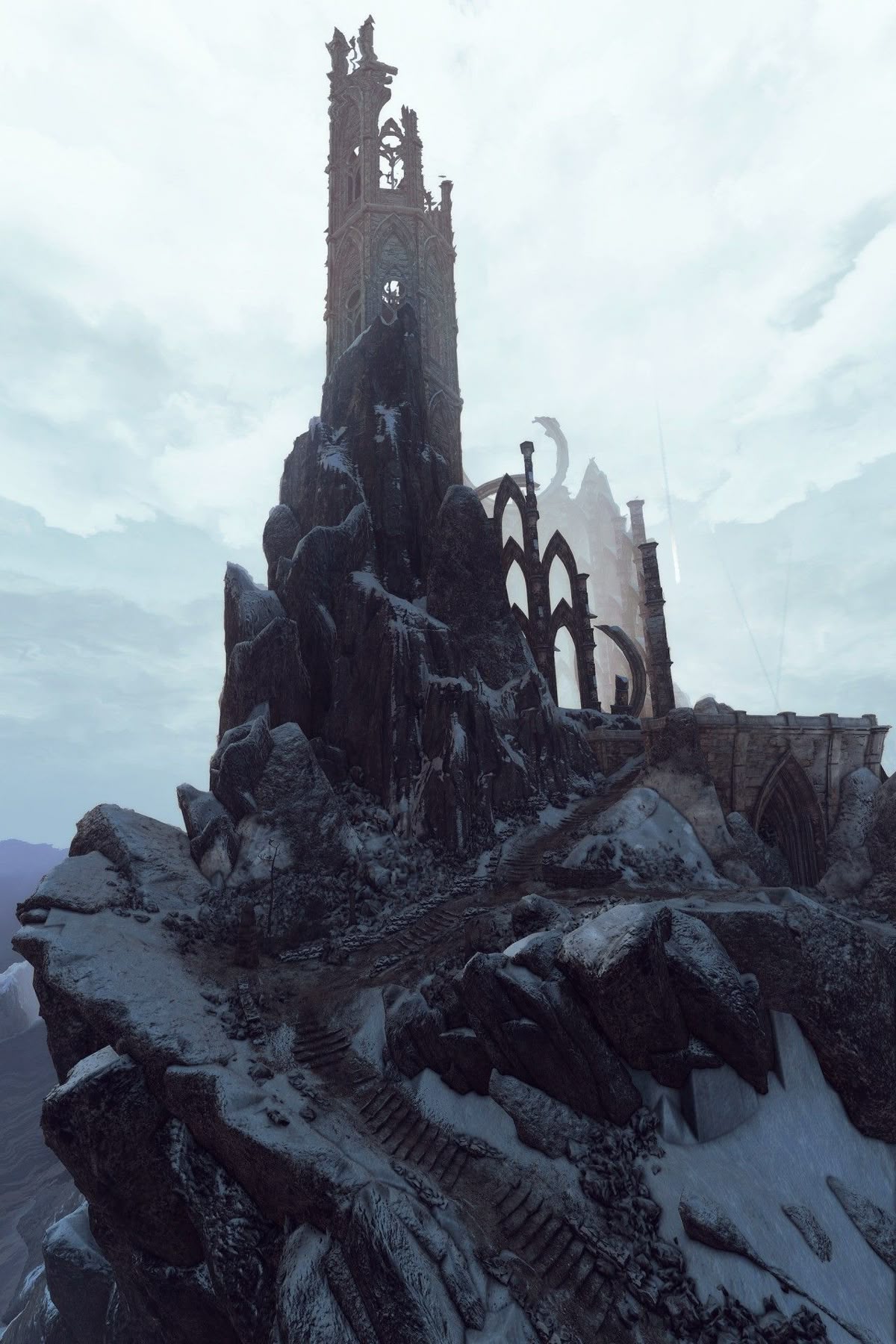
For there begins the mountain fayhold. Its gate, if you can call it that, is Highspire Cathedral. Highspire stands upon a black promontory above the Edderoth headwaters, a ruined edifice of such impossible height and delicacy that no one in Rainmark believes mortal hands had built it. Its bell tower remains though there had been no bell within it for perhaps a thousand years. Great lancet windows open upon nothing. Arches stand without walls. Snow passes through its nave. Mountain swallows nest in the broken galleries in summer, and in winter the stars can be seen through the roof. There, where the mortal mountain touched another country, dwelt Yultha.
And on the last quiet morning before the war came to Rainmark, Aelyr Glasshair dreamed that Highspire had a bell again. She heard it ring three times. Then she woke. She lay still for a while. Outside her narrow chamber the mountain wind pressed softly against the shutters. It was still dark. Rainmark slept around her. Aelyr raised her right hand. Celestiaman caught the faint light. The ring was ancient beyond the reckoning of House Glasshair, fashioned of silver so pale that it sometimes appeared white. Upon it rested a great amber stone, golden at its center and almost clear at its edges. Tiny points of light moved within the gem. They were not reflections.
“You heard it,” Aelyr whispered. For a moment nothing happened. Then warmth passed through her finger.
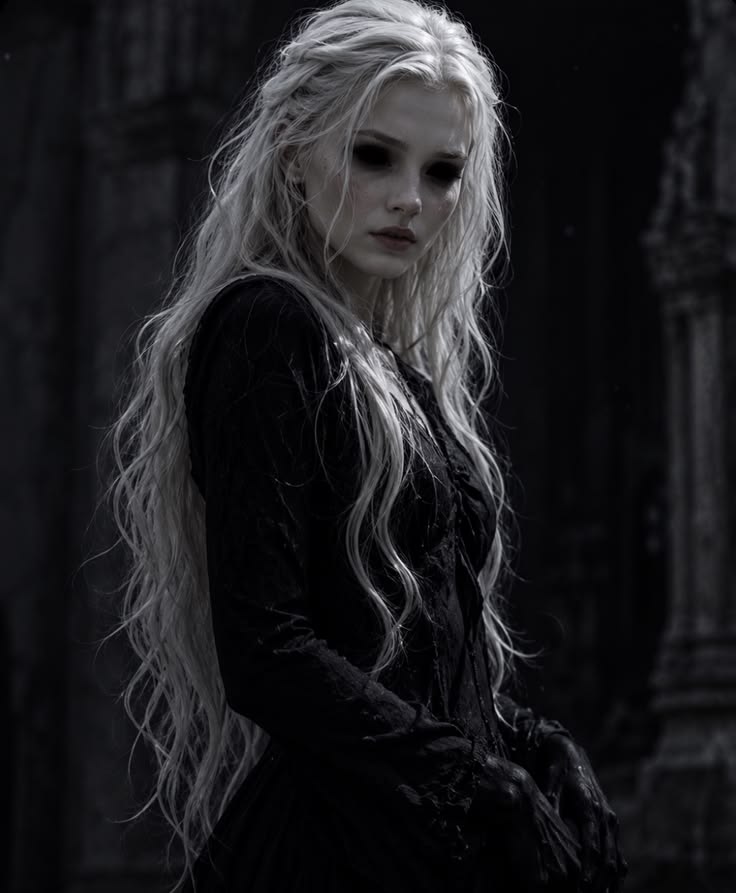
I heard what you heard. The voice of the solar did not enter through her ears. It arrived instead as a thought already remembered. Aelyr sat up. Her hair fell around her shoulders, nearly white in the darkness.
“Was it a warning?” Everything is a warning if fear is permitted to interpret it. “That sounds very wise.” You are annoyed with me. “I have been awake for less than a minute.” You were annoyed with me yesterday. “That saves time.” A warmth passed through Celestiaman that Aelyr had learned, over many years, to recognize as amusement.
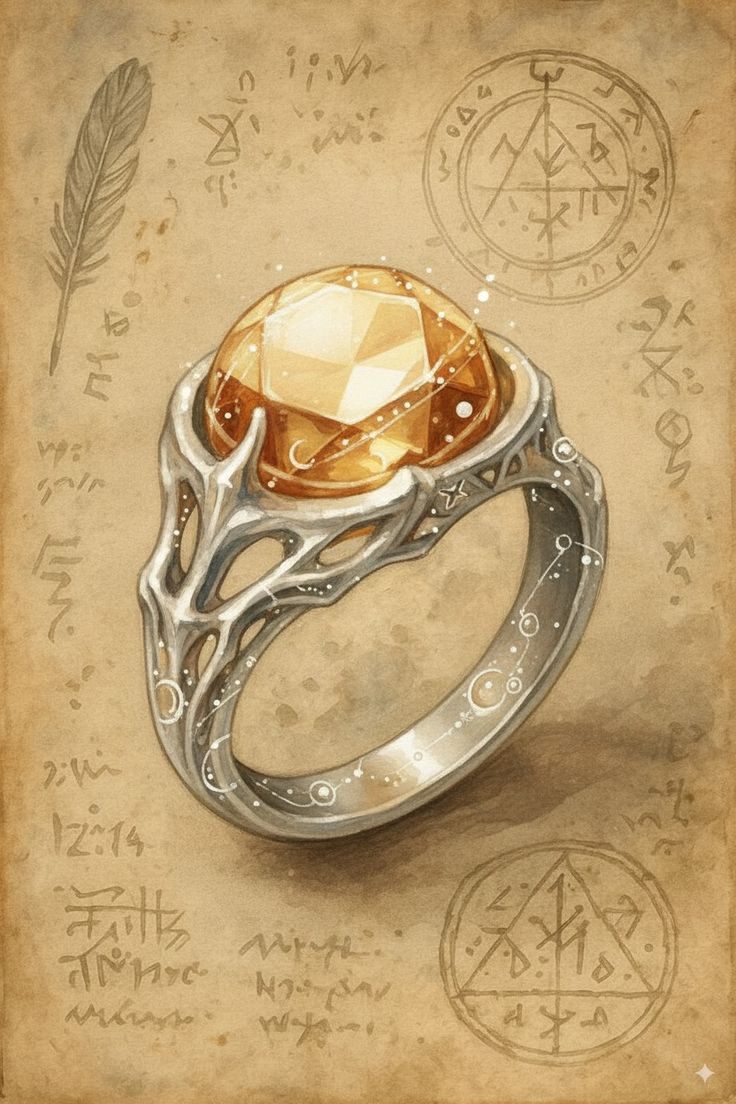
She smiled despite herself. It was a very small smile. People at Rainmark had not seen Aelyr Glasshair smile in a year. She rose and dressed. She wore black most days now, although no rule of the Bladesong order required it. Beneath a long dark coat she buckled a narrow sword belt and fastened the silver clasp of her office at her throat. She wore no cosmetics and little ornament. Her hair she left loose.
Once, someone had loved her hair loose. She kept it that way after his death. She did not know whether this was remembrance or defiance. Perhaps there was no difference. Her village was gone too. She seldom dreamed of its destruction anymore. Grief had ceased to be an event in her life and become one of its climates instead. It accompanied her without preventing anything. She could mourn while reading an inventory. She could miss the dead while calculating winter grain. She could remember her lover’s hands while ordering three riders into danger. This had surprised people who did not understand sorrow. They had expected it to make her foolish. It had made her exact.
By sunrise the Steward Knight was in the lower hall arguing with a dwarf.“You have lost six barrels of lamp oil,” said Hemeth Ironfold.
“I have not lost anything.”
“Six.”
“They were transferred.”
“Without appearing in my ledger.”
“That is because it is my ledger.”
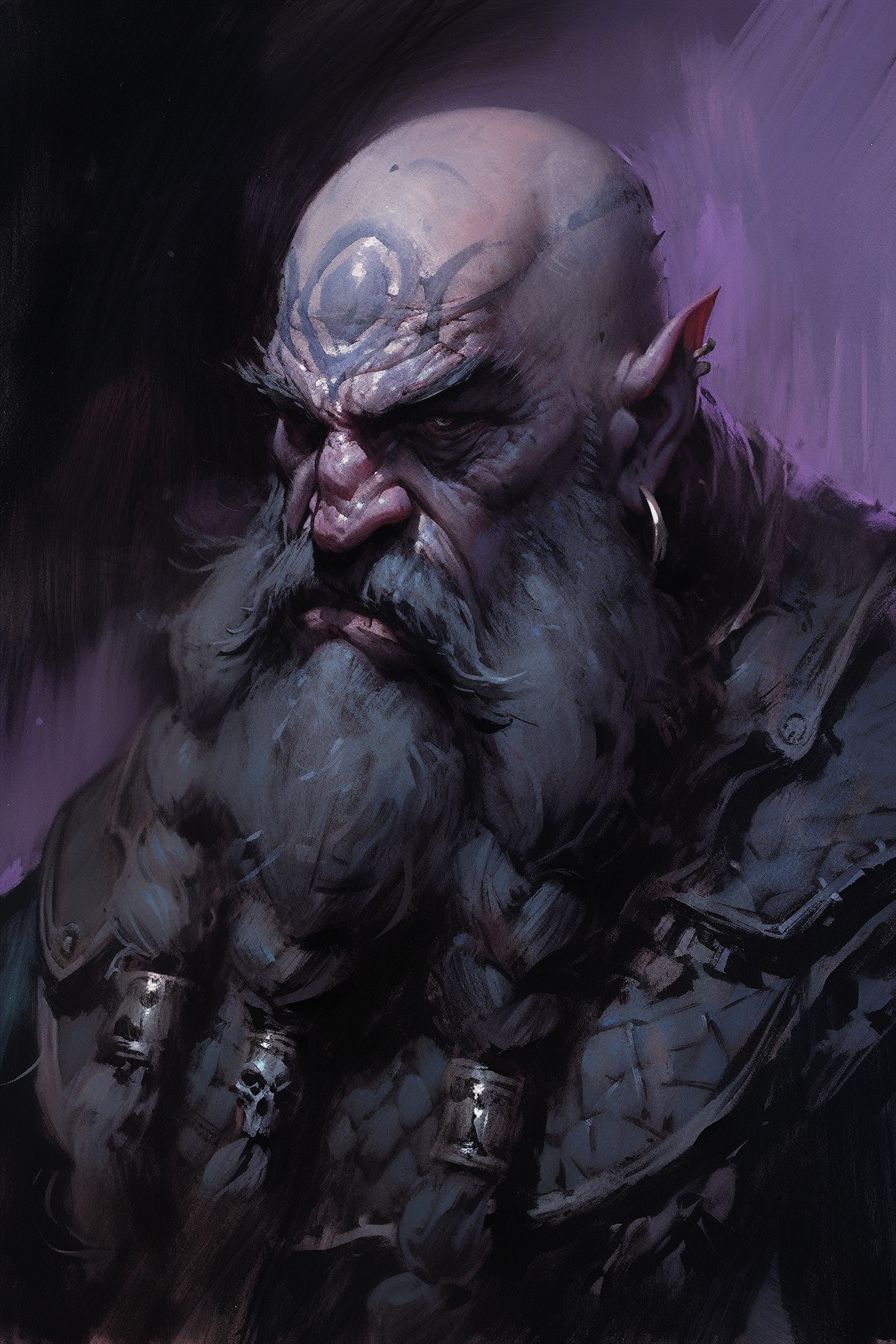
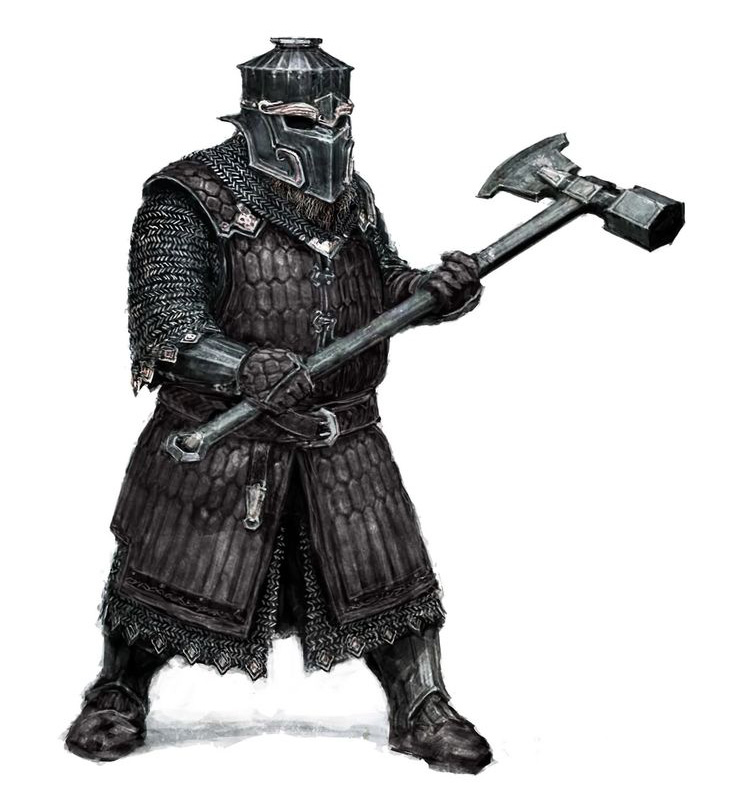
Hemeth looked down at her. This was an impressive achievement because Hemeth Ironfold was not tall. He possessed, however, the dwarven capacity to make height seem an administrative error committed by other races. His head was bald and immense, his beard iron-gray and divided into two heavy forks bound in black silver. A faded blue device had been tattooed upon his forehead in his youth. His armor was dark, battered and meticulously maintained.
Twenty-five Bartelon dwarves served beneath him. They constituted nearly the whole standing army of Rainmark. Hemeth was also, as he reminded everyone whenever useful, the only dwarf ever admitted among the Bladesong Knights. Aelyr suspected he reminded himself more often than anyone else.
“The oil went to Murmiton,” she said.
Hemeth frowned. “I live at Murmiton. I would have noticed six barrels of oil arriving at my own stronghold.”
“They did not arrive by road.”
Hemeth’s eyes narrowed.
“Oh, no.”
“Oh, yes.”
“You used the book.”
“I used the book.”
“For lamp oil?”
“For six barrels of lamp oil.”
Hemeth stared at her. “Aelyr, your ancestors created a magical portal network between the mortal world and the hidden dominions of the fey.”
“That is broadly correct.”
“You possess a book capable of negotiating passages through the walls of reality. And you used it to move lamp oil.”
“The north stair at Murmiton needed lamp oil.” Hemeth opened his mouth. Someone laughed behind them. Gaeema had entered.
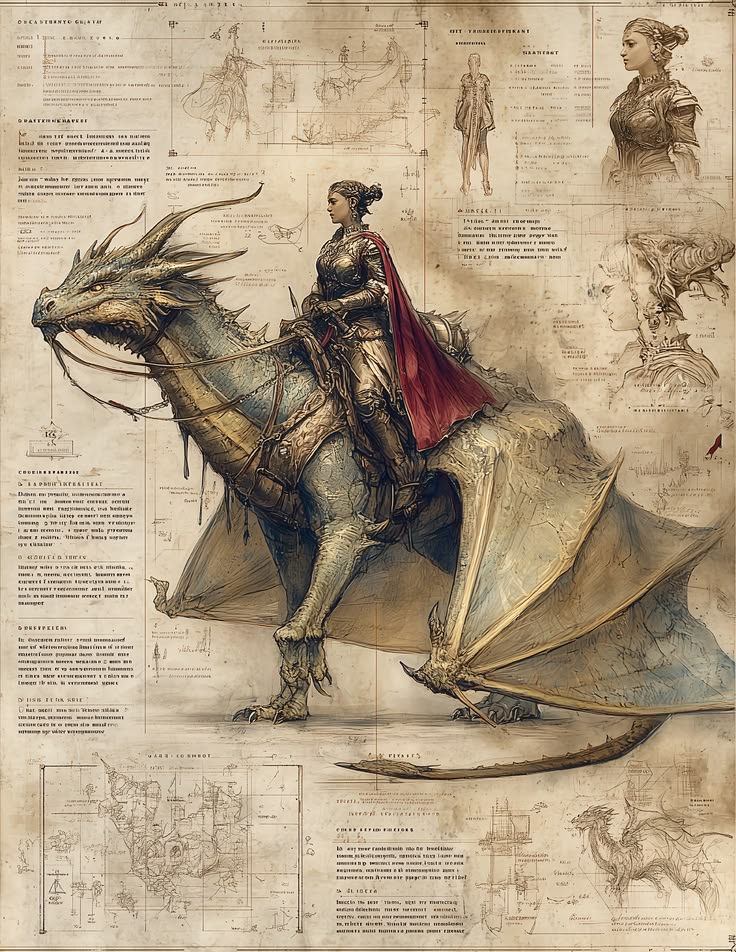
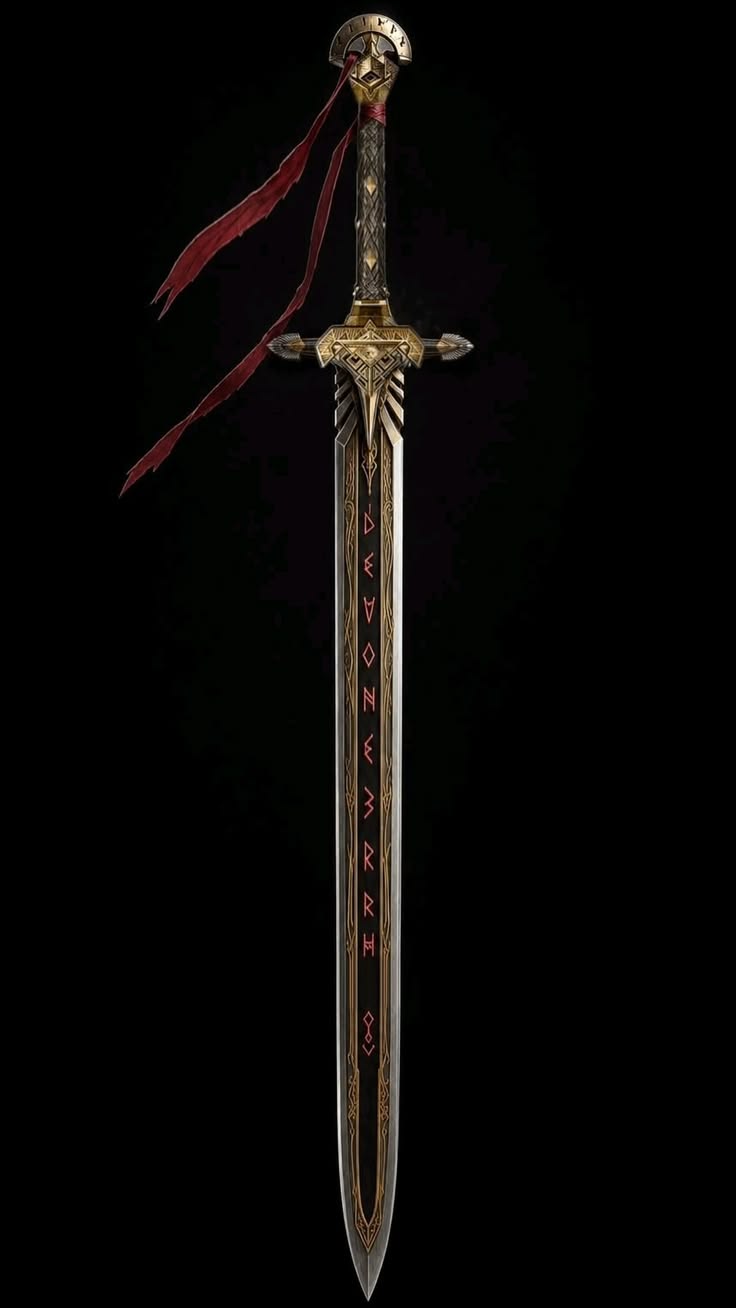
She wore riding leathers beneath a long coat of bronze-scaled armor, and her dark hair had been braided tightly behind her head. She carried her helmet beneath one arm. Across her back rested Ontakye. The sword was long and almost black, its blade narrow and severe, marked from guard to point with red characters of an alphabet older than Gildensong. When drawn, those characters shone and lightning crawled between them.
“Twenty-seven years,” Gaeema said, “and you still think you can win an argument with her.”
“I have won arguments with her.”
“When?”
Hemeth considered.
“That is beside the point.”
Gaeema kissed Aelyr lightly upon the temple as she passed. She had done this since they were girls. Rank had never cured her of it.
“Good morning, little glass.”
“Don’t call me that in front of the garrison.”
“I have called you that in front of the High Captain.”
“My sister already thinks you are insufferable.”
“Your sister is correct.”
Hemeth grunted. “Finally, common ground.” Gaeema grinned.
Aelyr looked at her friend.
“Where is Hammerwing?”
“Eating.”
“Of course.”
“He claims flying requires enormous quantities of goat.”
“Hammerwing claims everything requires enormous quantities of goat.”
“He is a mountain dragon. It is an internally consistent philosophy.”
Aelyr almost smiled again. Then the outer bell rang. Once. Not alarm. Arrival. A moment later a shadow crossed the windows. Gaeema looked upward. “That will be our ghost.” They went outside. Fastlight descended into Rainmark without sound. The griffon was black.
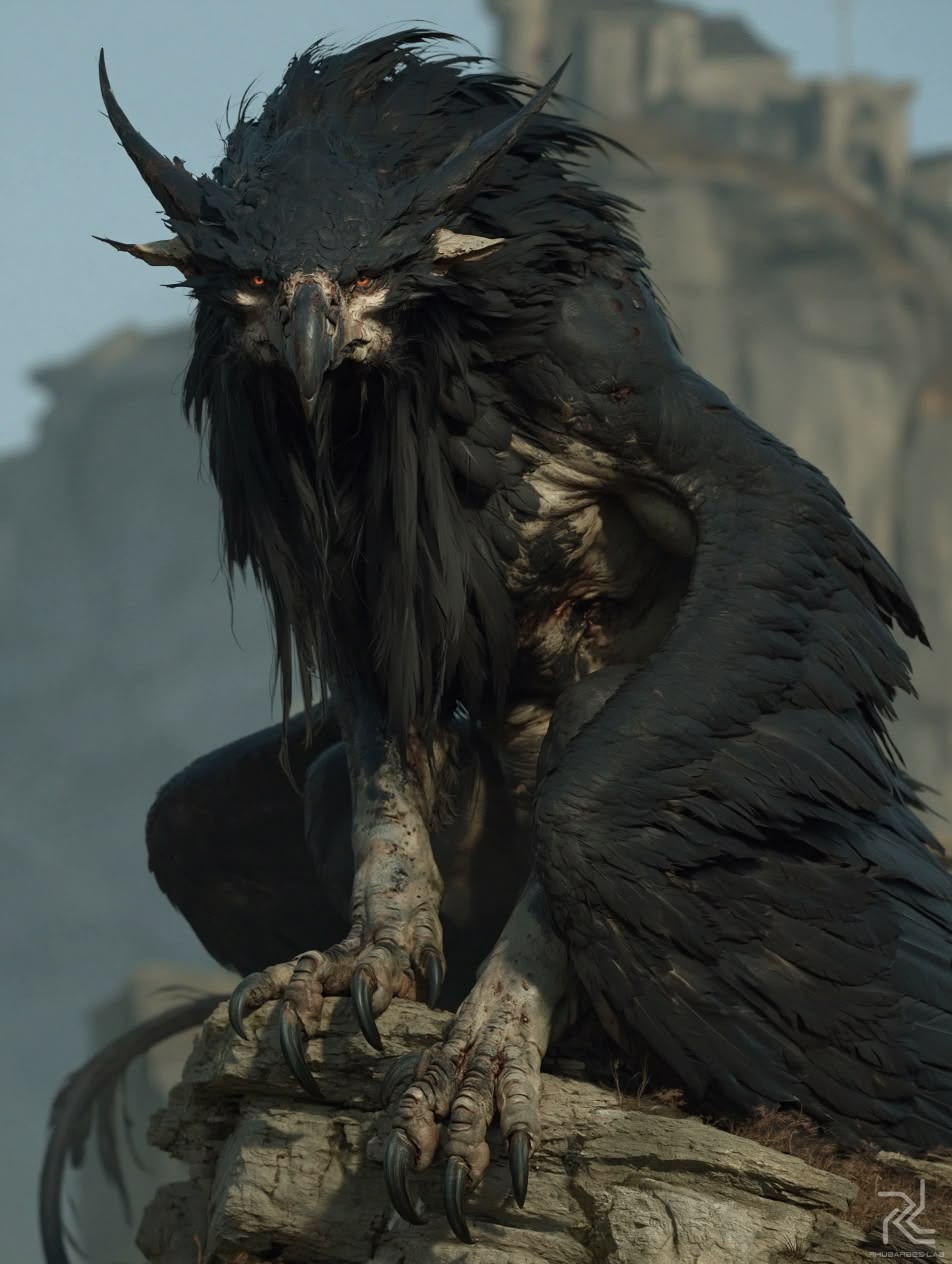
At least most people called him a griffon, although the resemblance was imperfect. His head was more owl than eagle, broad and feathered, with two long hornlike tufts swept backward from the crown. His hooked beak was black, his eyes ember-red, and his foreclaws were enormous. Great feathers descended from his jaw like a beard.
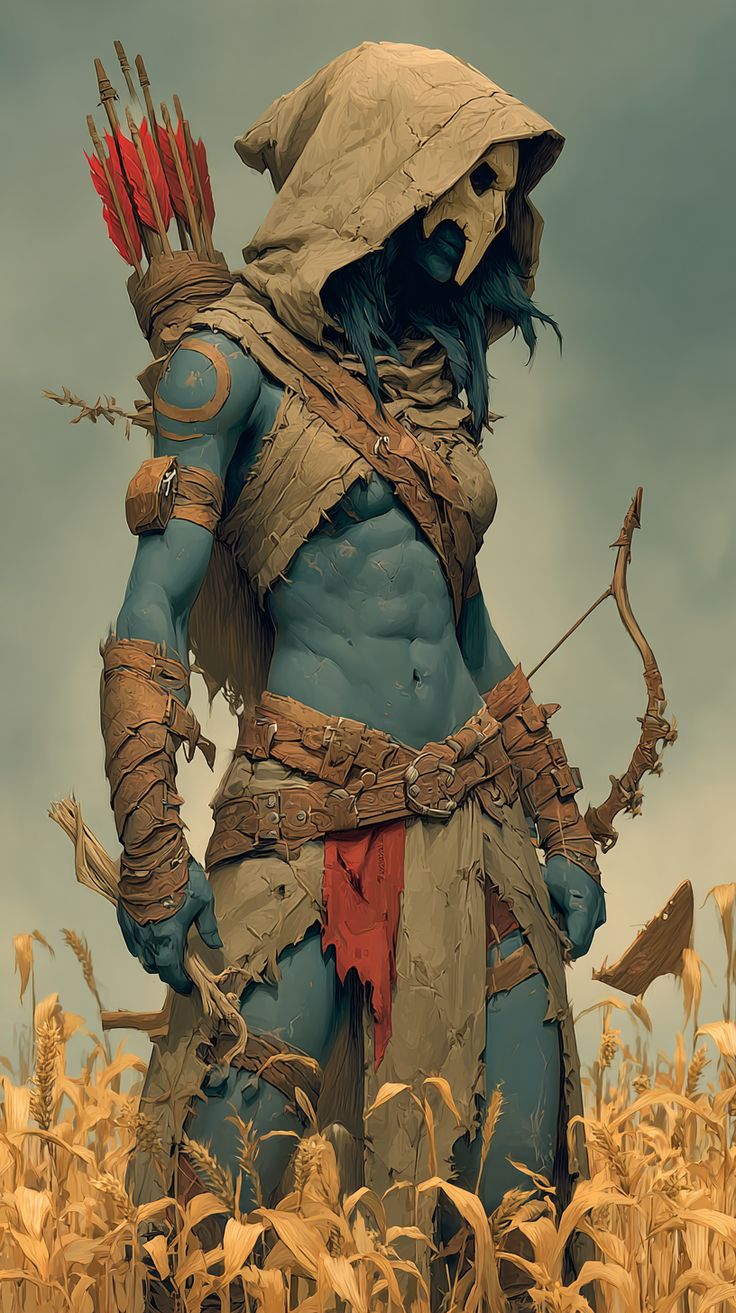
Upon his back sat Itnahai. She dismounted before Fastlight had entirely folded his wings. The dark elf wore the colors of no order. Her clothes were layered in gray-brown cloth, leather, and weathered linen, with a ragged hood drawn over blue-black hair. Her skin had the blue cast of deep water beneath moonlight. A bow rode across her back.
At her hips hung the Outworld Blades. They were ugly things. Each curved backward like the jawbone of some extinct animal, its metal dark and strangely textured, while the grips appeared almost grown rather than made. Hemeth disliked looking at them.
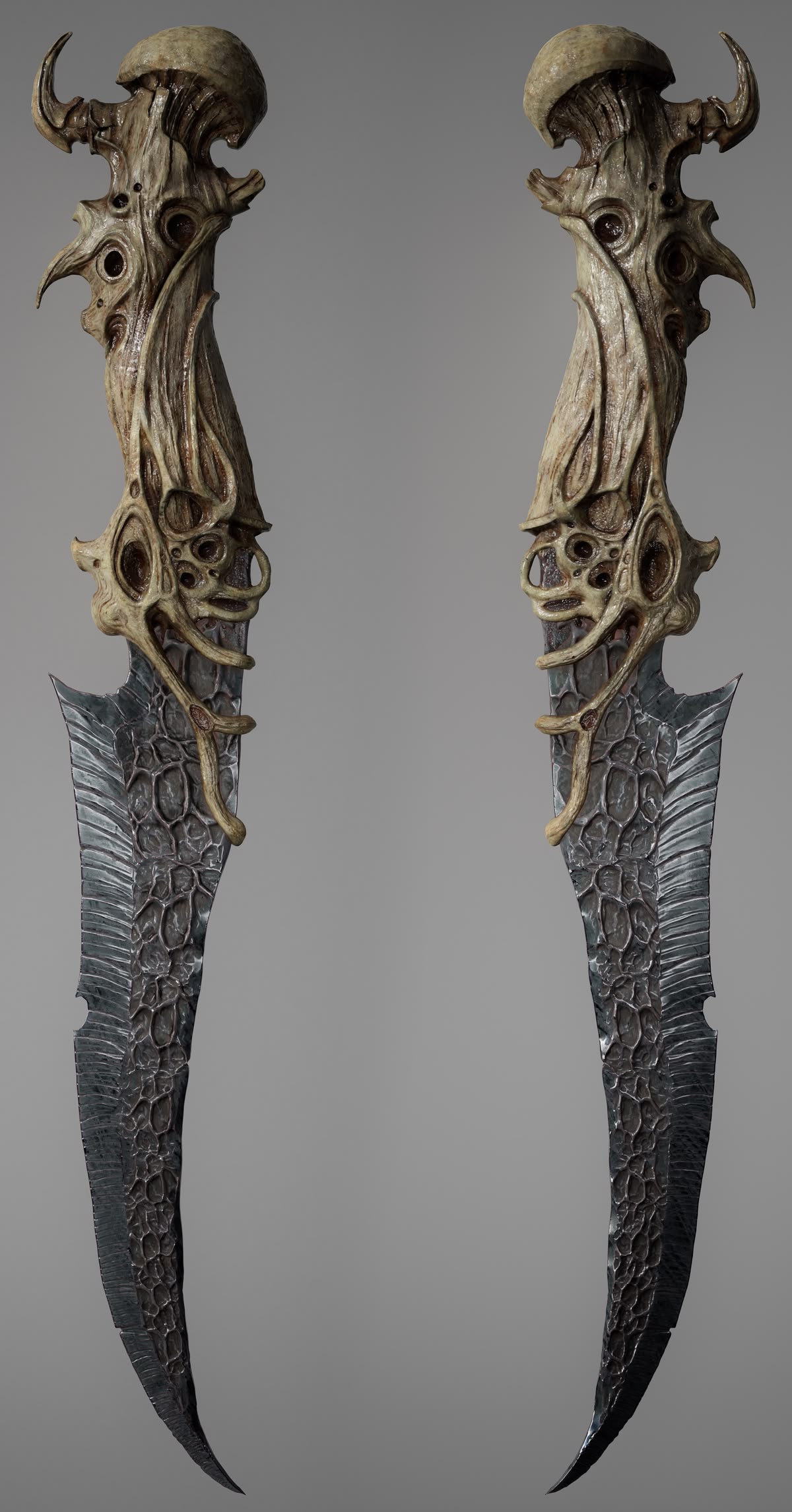
He had once declared that any weapon which made a dwarf uncertain whether it had been forged ought to be thrown into a volcano. Itnahai had replied that the volcano might throw it back. Hemeth had disliked them more thereafter.
“You’re early,” said Aelyr.
“No,” Itnahai answered. Her voice was quiet.
“You’re late.” Gaeema’s humor vanished.
They had all known one another too long to require further ceremony.
“What did you see?” Aelyr asked.
“Nothing.”
Hemeth folded his arms.
“Then this has been a profitable morning.”
Itnahai looked at him.
“The fay are gone.”
That silenced him. Aelyr stepped closer. “Gone where?”
“I don’t know.”
“Which ones?”
“All of them.” She pointed east.
“The laughing thing at Moss Bridge. The three sisters beneath Red Fir. The little lights above Elkwater. The old man who lives backward in the spring. Gone.”
“Perhaps they’ve crossed deeper into the hold,” Gaeema said.
“They have.”
“How do you know?”
“Because they told me.”
Aelyr watched her.
“When?”
“Last night.”
“And today?”
“Today nothing will answer.”
Celestiaman warmed upon Aelyr’s finger. She looked toward Papadin. High above Rainmark, clouds were gathering around the mountain. “Yultha?” she asked.
Itnahai shook her head. “I went as far as Highspire.”
“You crossed the markers alone?”
“I always cross the markers alone.”
“Did you see her?”
“No.”
That troubled Aelyr more than anything else. Yultha had guarded Highspire longer than Rainmark had existed. She was proud, strange, sometimes cruel in the careless manner of old fey, but she had never abandoned her post.
“What did you see?”
Itnahai’s eyes shifted toward the mountain. “Tracks.”
“What kind?”
“I don’t know.”
Hemeth sighed. “You are having difficulty with nouns today.”
Itnahai ignored him. “Four feet when it wished to run. Two when it wished to walk. Claws. Something like a cat. Something like a dragon.”
Gaeema’s hand moved unconsciously toward Ontakye. “Draconian?”
“No.”
“How certain?”
“Entirely.”
Aelyr asked, “Where did the tracks go?”
“Highspire.”
No one spoke. Far above them something moved among the clouds. Hammerwing. The mountain dragon circled once, bronze wings catching the morning sun.
Aelyr looked at her three oldest companions. “Gaeema, put Hammerwing in the air. Circle Highspire but do not cross into the fayhold.”
Gaeema nodded.
“Hemeth, bring twelve Bartelon up from Murmiton. Quietly.”
“Twelve?”
“If I wanted twenty-five I would have said twenty-five.”
The dwarf’s mouth twitched.
“And me?” Itnahai asked.
“You’re coming downstairs.”
That surprised her. “To the matrix?”
“Yes.”
Hemeth muttered something in Dwarvish.
Aelyr turned toward him. “What?”
“I said this morning has become too interesting.”
“Then pray it becomes dull again.”
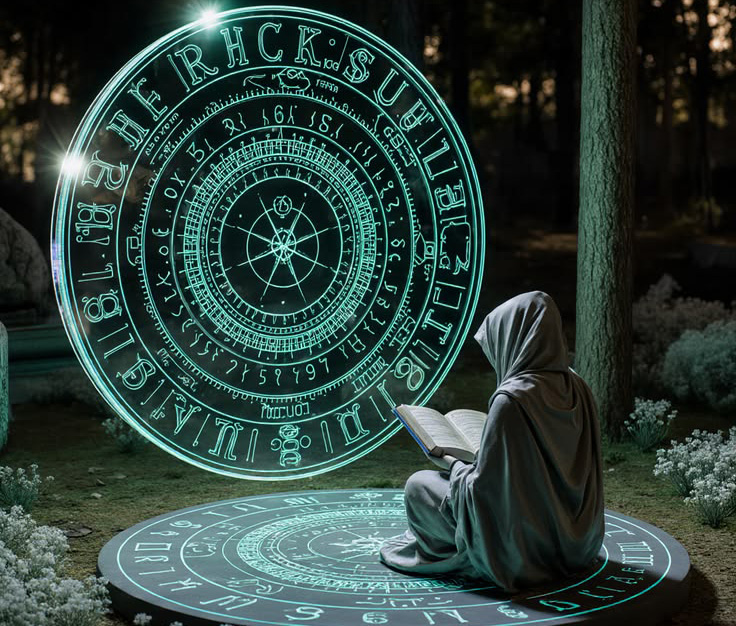
But the morning did not. Deep beneath Rainmark lay a chamber older than the house above it. The walls were raw granite. Upon the floor had been constructed seven concentric circles of silver, each intersected by symbols whose meaning had been forgotten before the first Glasshair had come north. At the center stood a stone lectern. Aelyr placed the Book of Keys upon it. The book was enormous. Its leather had darkened almost to black with age. Brass protected its corners. Its pages were covered with diagrams, circular alphabets, geometric invocations, maps that changed when no one watched them, and instructions written in languages of which some had never belonged to mortal tongues.
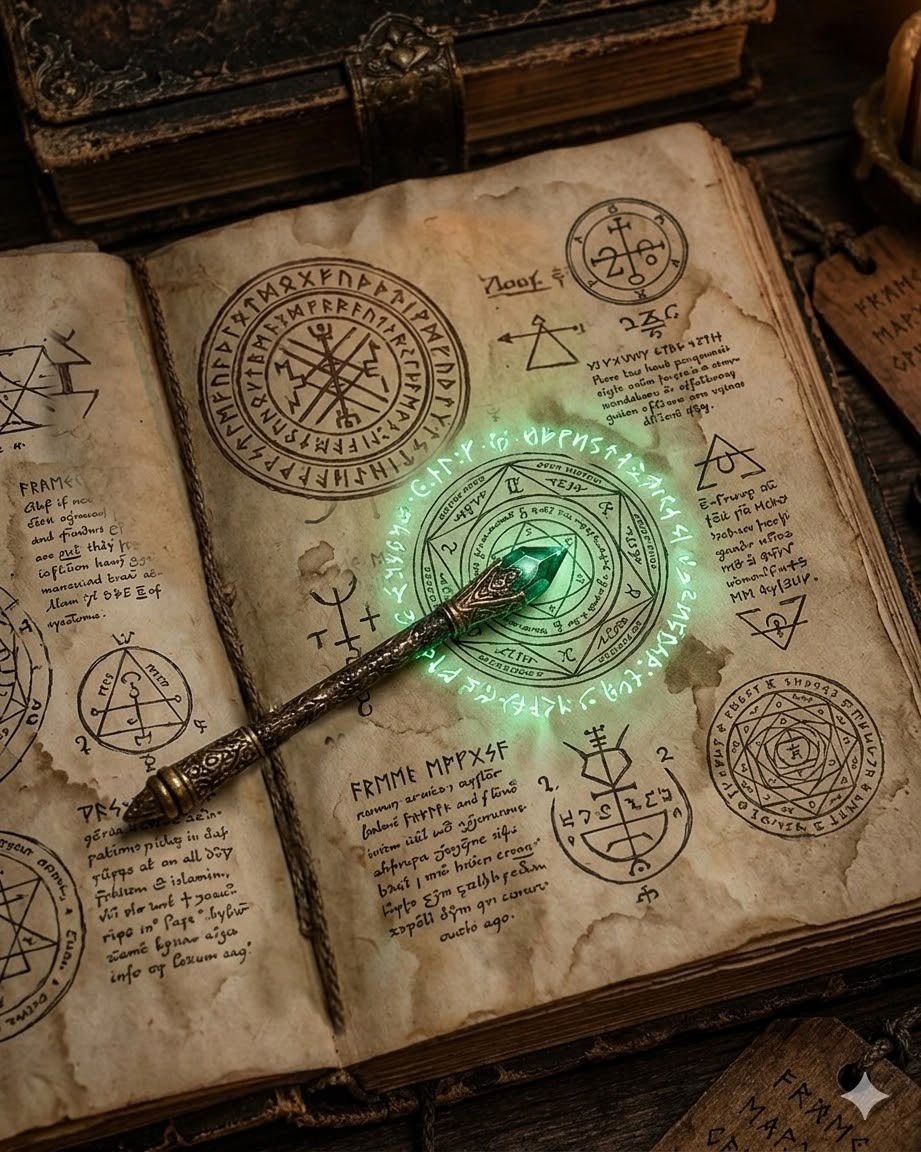
Aelyr opened it. The portal matrix woke. Green light moved through the floor. One circle illuminated. Then another. Then another. Itnahai watched from the edge. She had been down here hundreds of times. She had never liked it.
“What are you looking for?”
“A door.”
“There are several thousand doors in that book.”
“Four thousand, eight hundred and nine.”
“You counted?”
“No. The book did.”
Aelyr turned a page. Symbols lifted from the parchment. They floated above it, revolving slowly. “The mountain fayhold should answer here.” She touched one. Nothing happened. She touched another. Nothing. A third. The matrix flickered. Then died. Aelyr became very still.
“What?” Itnahai whispered.
Aelyr turned several pages quickly.
“Highspire isn’t answering.”
“Yultha?”
“No.”
“Then what?”
Aelyr looked up.
“Something has locked the door from the other side.”
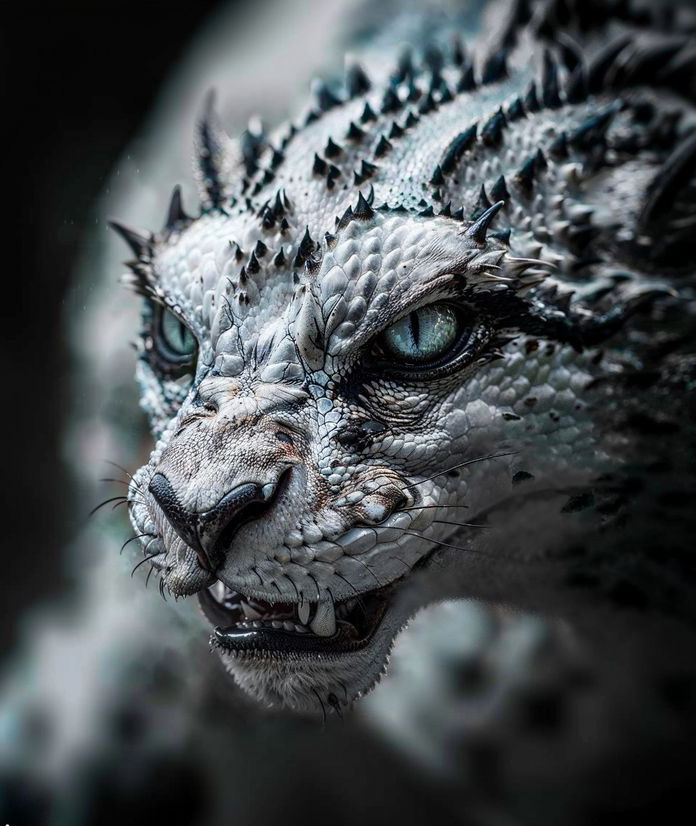
Far away, among the ruined arches of Highspire Cathedral, Tirgol was smiling. He had a narrow smile. Too much tooth in it. He crouched upon a broken capital thirty feet above the ruined nave, his long tail hanging beneath him. White fur covered his throat, shoulders, and portions of his face, but black scales emerged through it along the brow, spine, forearms, and thighs. His body was lithe, almost to emaciation. Claws tipped his fingers. His eyes were yellow. They did not blink often.
“Come out,” he whispered. Nothing answered. Tirgol scratched one claw along the stone.
“Come out, pretty lady.”
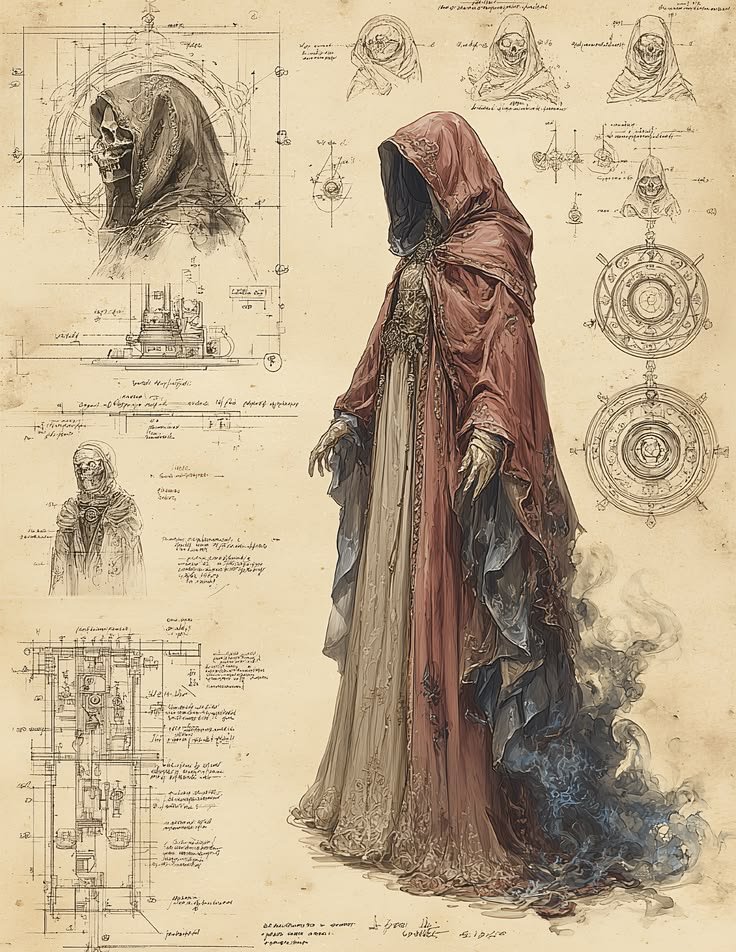
Snow drifted through the cathedral. Behind him there was no shadow. That was because Nuromon had taken it. The wraith stood where Tirgol’s shadow ought to have been. Its robe moved although there was no wind. Nothing could be seen within its hood. Tirgol did not look back.
“You promised me,” he hissed.
A voice came from nowhere.
Yes.
“The treasure.”
Yes.
“The gate.”
Yes.
“The blood.”
There was a pause.
Then:
All the blood you desire.
Tirgol shivered with pleasure.
“You speak so beautifully.”
And you speak too much.
Tirgol’s smile disappeared. Something moved beneath the snow. Roots. They rose through cracks in the cathedral floor. Tirgol stood. Across the ruined nave, a figure emerged between two broken columns. Yultha.
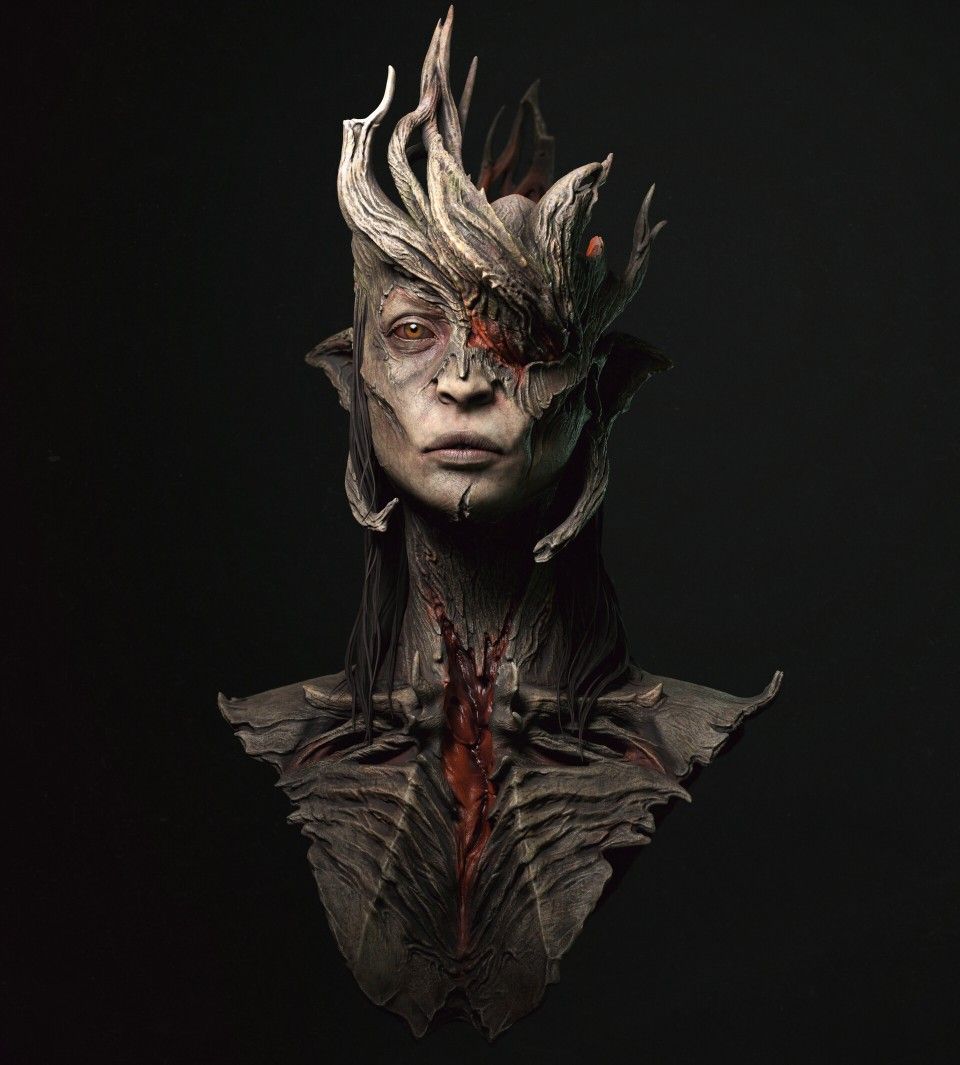
She was tall, almost seven feet, and slender as a young tree. Her flesh resembled bark where it crossed one side of her face and breast, and living wooden horns swept upward from her brow like the shattered beginnings of a crown. One eye was amber. The other was hidden beneath wood.
“Tirgol,” she said.
His smile returned.
“You know me.”
“I know what you are.”
“Do you?”
“Yes.”
He slipped from the stone and landed upon all fours. Yultha watched him rise.
“You have been walking my borders for nine nights.”
“Ten.”
“Nine.”
“I came before the moonrise.”
“That was still yesterday.”
Tirgol considered this.
“I hate you.”
“I know.”
He began circling her.
“You guard a broken church.”
“No.”
“A broken tower.”
“No.”
“Stones.”
“No.”
“What then?”
Yultha looked toward the ruined altar.
“A promise.”
Tirgol laughed. It was a dry, unpleasant sound. “Promises are what weak things call chains when they put them on themselves.”
Yultha looked at him almost sadly. “No, little beast. A chain binds what wishes to leave. A promise tells the world what has chosen to remain.”
Behind Tirgol, Nuromon stirred. Yultha’s visible eye narrowed. At last she understood. Not Tirgol. The shadow. “Oh,” she said. Nuromon rose. For the first time, Tirgol saw fear enter Yultha’s face. He delighted in it.
“You know him too.”
Yultha did not answer.
Nuromon’s voice filled Highspire.
You have kept my door long enough.
Yultha stepped backward. Roots erupted from the floor. They struck Tirgol.He twisted between them with impossible speed. One caught his shoulder and hurled him against a column hard enough to crack stone. He laughed. Yultha raised both hands. The mountain answered. Every tree upon the slope beneath Highspire bent toward the cathedral.
Tirgol came at her. She struck him with a branch that grew from her arm as she swung it. Bone broke. Tirgol spun across the nave. He landed badly. For several seconds he did not move. Yultha turned toward Nuromon.
“You cannot cross.”
I already have.
“No.”
Look behind you.
She did. Tirgol was there. One claw entered beneath her ribs. The other closed around her throat. Yultha gasped. Tirgol pressed himself against her back. His mouth came beside her ear. “You were right,” he whispered. Blood ran down his wrist.
“About what?”
“A promise.” His claws sank deeper.
“Tells the world what chooses to remain.” Yultha’s amber eye widened.
Tirgol smiled against her cheek. “I choose not to.”
He tore downward. Yultha fell. At Rainmark, Aelyr screamed. She was standing over the Book of Keys when every page turned at once. Hundreds. Thousands. Paper flew beneath her hands. The portal matrix blazed green.
“Aelyr!” Itnahai caught her before she fell.
Celestiaman burned upon her finger. Not warm. Burned.
A voice thundered inside her.
THE WARDEN HAS FALLEN.
Aelyr staggered upright. “What?”
THE WARDEN HAS FALLEN.
The Book of Keys stopped turning. One page remained open. Aelyr stared at it. There was no writing. Only a circle. A door. And something was opening it.
“Highspire,” she whispered. Above them the alarm bell began to ring. Gaeema had seen it first. From Hammerwing’s back she watched the summit of Highspire turn black. Not dark. Black. A wound opened beneath the ruined cathedral. It was perfectly vertical and perhaps thirty feet high. Around its edges the world bent inward. Snow lifted from the mountain and streamed toward it.
Hammerwing roared. Gaeema drew Ontakye. Lightning leaped down the blade. “No,” she whispered. Something stepped through the gate. A soldier. Then another. And another. They came in ranks. Scaled men in armor. Some bore shields. Some carried long spears. Others carried swords with hooked blades. Their armor was dark red and black, and upon their shields was a device Gaeema had seen only in dispatches from the southern war.
Draconians. Ten. Twenty. Thirty. They kept coming. Hammerwing climbed. Gaeema looked toward Rainmark. The little community seemed impossibly small beneath her. A hundred people. A few steep roofs. Smoke from breakfast fires. The paddock. The smithy. The west orchard. The schoolhouse where she and Aelyr had once hidden a dead fox because they had believed, at nine years old, that they could resurrect it.
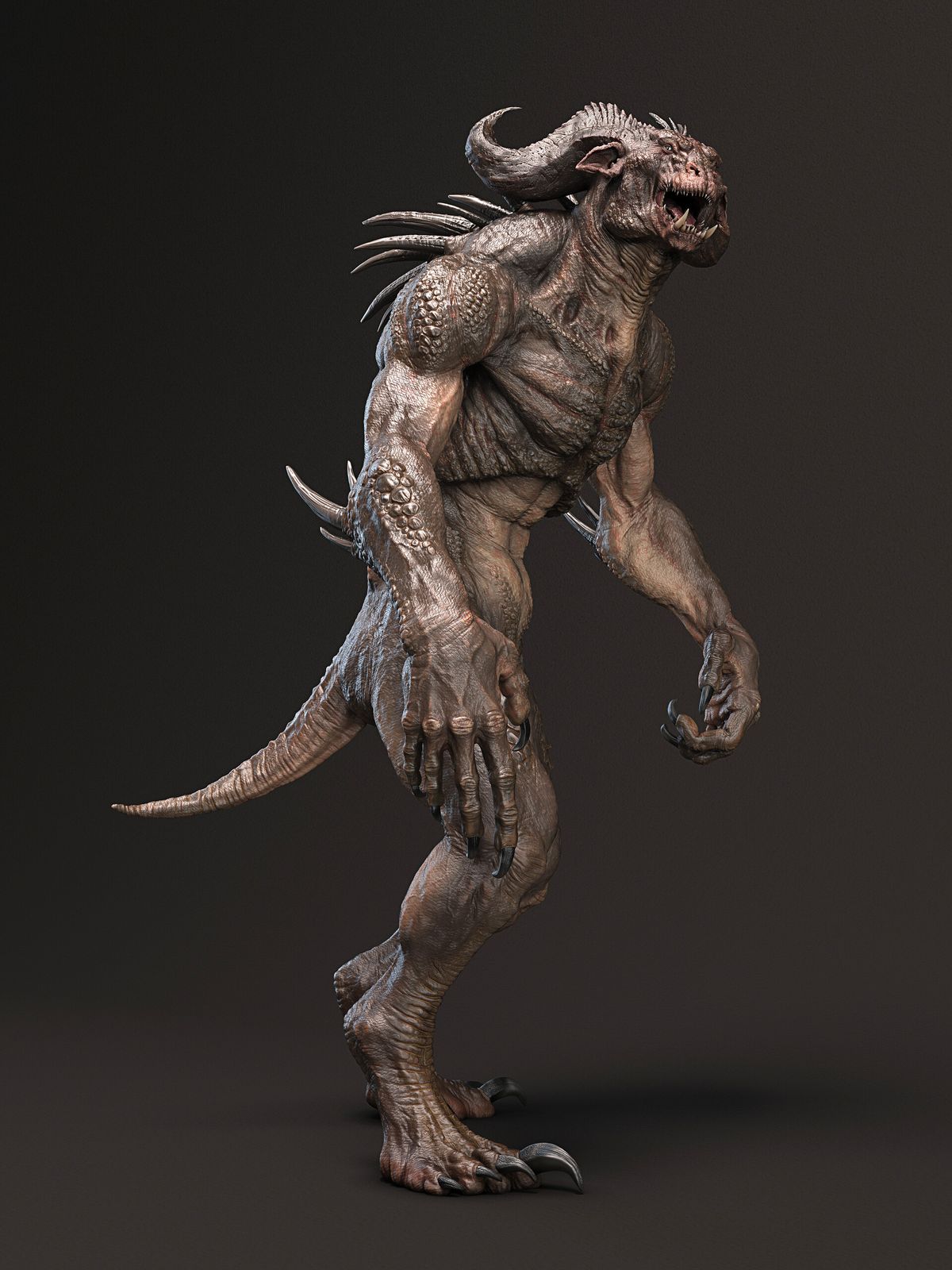
Murmiton lay farther down the valley, scarcely visible among the rocks. Home. Ontakye trembled in her hand. “Go,” she told Hammerwing. The dragon turned. At Highspire, Tirgol stood over Yultha’s body. Nuromon had become immense. The wraith rose through the broken cathedral until its hood reached the shattered galleries. Its robes spread through the nave like smoke filling a tomb.
Tirgol watched the soldiers march through.
“What happens now?”
Nuromon did not answer.
“What happens now?”
Still nothing.
Tirgol’s yellow eyes narrowed. “You promised me treasure.”
The wraith turned its hood toward him. Tirgol suddenly wished it had not.
Did I?
For the first time that morning, Tirgol stopped smiling. The gate widened. The hundredth draconian stepped onto Papadin. Its commander raised a black sword. The column turned west. Toward Rainmark. Far below, the gates of the wayhouse opened. Twenty-five Bartelon dwarves marched into the road. Hemeth Ironfold walked at their head.
Fastlight landed upon the eastern wall, and Itnahai stood upon his back with one Outworld Blade already drawn. Children were being taken belowground. Horses screamed in their stalls. Men and women who had spent their lives tending goats, keeping bees, repairing roofs, guiding elk and carrying wine down the mountain now lifted spears that had hung above their hearths for generations.
Aelyr Glasshair climbed the steps to the gatehouse. The wind caught her white hair. Celestiaman shone upon her hand. The Book of Keys was beneath one arm. She looked up as Hammerwing descended. Gaeema did not wait for the dragon to land. She jumped the final six feet and came running.
Aelyr knew from her face. “Highspire?”
Gaeema nodded.
“Yultha?”
“I didn’t see her.”
Aelyr closed her eyes. Only for a moment. Gaeema took her hand. Not the hand bearing Celestiaman. The other one. The hand of the woman she had known before either of them understood what death could take.
“Aelyr.”
“I know.”
“You don’t.”
Aelyr opened her eyes. Gaeema was crying.
“I saw them.”
“How many?”
“A hundred.”
Hemeth swore softly. Itnahai looked toward the mountain.
“How long?”
“Less than an hour.”
Silence passed between the four of them. Not the silence of strangers who had nothing to say. The silence of people who had already said nearly everything to one another over the course of their lives. Hemeth had taught Aelyr how to sharpen a knife. Gaeema had held her while she wept the night the news of her village arrived. Itnahai had once carried Gaeema seventeen miles through a blizzard after Hammerwing had been wounded. Aelyr had sat beside Hemeth when his son died. They had quarreled over horses, politics, romances, money, magic, roads, wine, dwarven songs and whether Fastlight ought to be allowed inside the dining hall. They had buried friends together. They had believed there would be time to become old together.
Aelyr looked at Rainmark. Then she looked toward Papadin. The first distant figures had appeared upon the snow. Celestiaman spoke.
You are afraid.
“Yes.”
The others heard only her answer.
Good.
Aelyr frowned.
Courage without fear is merely ignorance of danger.
She looked at Gaeema. At Itnahai. At Hemeth. Behind them waited the people of Rainmark. Her people. The melancholy remained. Her dead remained dead. Her lost village remained lost. Nothing about the approaching enemy repaired any of it. And strangely, this comforted her. She did not need to become someone else to meet what was coming. She had only to remain what grief had failed to destroy. Aelyr handed the Book of Keys to Itnahai.
“Take this downstairs.”
Itnahai stared at her.
“What are you doing?”
“Opening every friendly fayhold that still answers.”
“For what?”
“Everything.”
Hemeth understood first. He began to laugh. Gaeema looked between them.
“Everything what?”
“Everything,” Hemeth repeated.
Aelyr pointed toward Rainmark.
“Food. Water. Arrows. Medicine. Stone. Timber. Oil. Every favor owed to this house. Every promise made to us. Every road the Book can still open.”
“And if something unfriendly answers?” Itnahai asked.
Aelyr looked toward Highspire. “Then tell it there are draconians coming.”
Itnahai smiled. It was not a pleasant smile. “Some of them will like that.”
“I am counting on it.”
Hemeth drew his hammer. The Bartelon dwarves behind him struck their weapons against their shields. Twenty-five blows sounded together.
Gaeema looked upward. Hammerwing spread his wings. Ontakye came free of its scabbard. Lightning ran along the black blade. Then Gaeema turned to Aelyr. “If this goes badly…”
“No.”
“Little glass.”
“No.”
“Listen to me.”
Aelyr did. Gaeema stepped closer. “I am not dying for Rainmark.”
Aelyr’s face tightened.
“I am not dying for your sister. I am not dying for Gildensong. I am certainly not dying for Hemeth.”
“Much appreciated,” said the dwarf.
Gaeema ignored him. “If it comes to it, I die for you.”
Aelyr stared at her. “Don’t.”
“I wasn’t asking permission.”
“You never do.”
“No.” Gaeema smiled. There were tears upon her face. For one terrible instant they were children again. Then Aelyr embraced her. Hard. When they separated, Gaeema mounted Hammerwing. Itnahai climbed onto Fastlight. Hemeth descended to his dwarves. Aelyr remained upon the gatehouse. The draconians were visible now. A dark procession descended from the snowfields of Papadin. Behind them Highspire stood against the sky.
Something enormous and black moved among its ruins. Aelyr raised her hand. Celestiaman blazed like a small sun. The people of Rainmark looked toward her. Aelyr Glasshair had never wanted command. Perhaps that was one reason command had trusted her. “Close the gate,” she said. The great doors began to move. Above them Hammerwing roared. Fastlight spread his black wings. Twenty-five dwarves lowered their weapons.
Far up the mountain, beneath the empty bell tower of Highspire, Yultha lay upon the snow. Her blood ran between the stones. Where it touched the earth, small white flowers began to grow. Tirgol watched them. He crushed one beneath his clawed foot. Then another. There were too many. Behind him the gate remained open. Through it came the smell of another country: iron, ash, old blood, and the hot breath of war.
Nuromon stood within the ruined cathedral and watched his warband descend. For centuries Highspire had guarded the border. For centuries the mountain fayhold had remained closed. Now the guardian was dead. The promise was broken. And for the first time in all the long memory of Rainmark, the road down Papadin belonged to the enemy.
Below, a bell began to ring. Once. Twice. Three times. Aelyr heard it and remembered her dream. Then she understood. The bell had not been tolling for Highspire. It was Rainmark’s bell. And the dream had not been a warning of what might come. It had been the sound of something already on its way. Aelyr drew her sword. “Here they come.”
And beneath the cold immensity of Papadin, while the Edderoth ran bright and heedless from its mountain springs, the first draconians of the northern war marched down into Gildensong.


Leave a comment